Speed Limits in Italy: The Autostrada, the Rain, and the ZTL
Italy’s motorways run at 130 km/h, less in the rain, but the real trap is the ZTL camera zone in every historic centre. Here are the speed limits by road type, plus how to dodge a surprise fine.
 Ramis Kalkan
Updated: 6 min read
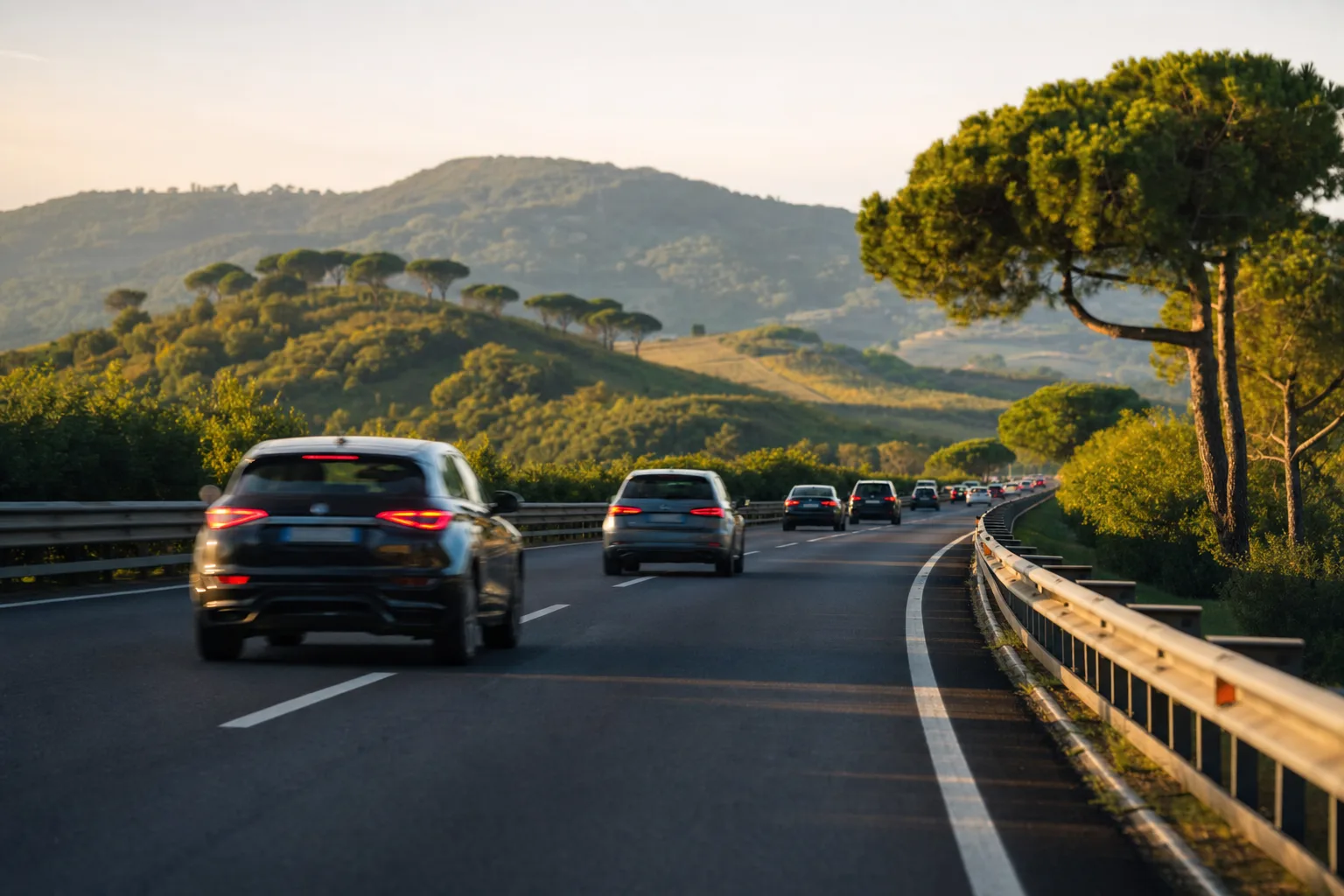
In Italy the autostrada (motorway) speed limit is 130 km/h, dropping to 110 in the rain. Main roads are 110, rural roads 90, and towns 50. But the rule that costs foreign drivers the most isn’t a speed limit at all: it’s the ZTL, the camera-gated zone in nearly every historic city centre.
Here’s why that matters. You can drive Italy’s motorways perfectly and still come home to a stack of fines from a ZTL you didn’t know you’d entered, because the cameras read your plate and post the penalty abroad. Get the speed limits and the ZTL right together, and Italy is a joy to drive.
This guide covers the speed limit in Italy by road type, the wet-weather rule, the fines and alcohol limits, and the ZTL that catches tourists out. Every figure is tied to an official Italian source.
Key Takeaways
- Italian limits are 130 km/h on the autostrada, 110 on main roads, 90 on rural roads, and 50 in towns (Codice della Strada).
- In the rain, the autostrada drops to 110 and main roads to 90, enforced by Tutor average-speed cameras.
- The ZTL (limited-traffic zone) in historic centres is camera-gated, and each unauthorised entry is a separate fine mailed abroad.
- The blood alcohol limit is 0.5 g/L, and 0.0 for drivers in their first three years, under 21, or professional.
- Italy charges motorway tolls (pedaggio), not a vignette.
What Are the Speed Limits in Italy?
Italy sets its limits by road type, and the fast-road figures fall in the rain. These come from the Codice della Strada (the Italian highway code) and apply to a standard car.
| Road type | Dry | Rain |
|---|---|---|
| Motorway (autostrada, green signs) | 130 km/h | 110 km/h |
| Main road (superstrada, blue signs) | 110 km/h | 90 km/h |
| Secondary rural road | 90 km/h | 90 km/h |
| Built-up area (centro abitato) | 50 km/h | 50 km/h |
A couple of points catch visitors out:
- The sign colour is the quick tell: green means a tolled autostrada at 130, blue means a toll-free superstrada at 110.
- New drivers, in their first three years, are capped at 100 km/h on the autostrada and 90 on the superstrada, whatever the weather.
You may read that Italy allows 150 km/h on some motorways. The highway code permits it in theory on qualifying three-lane stretches, but no autostrada is actually signed above 130, so treat 130 as the real limit everywhere.
The ZTL: Italy’s Real Foreign-Driver Trap
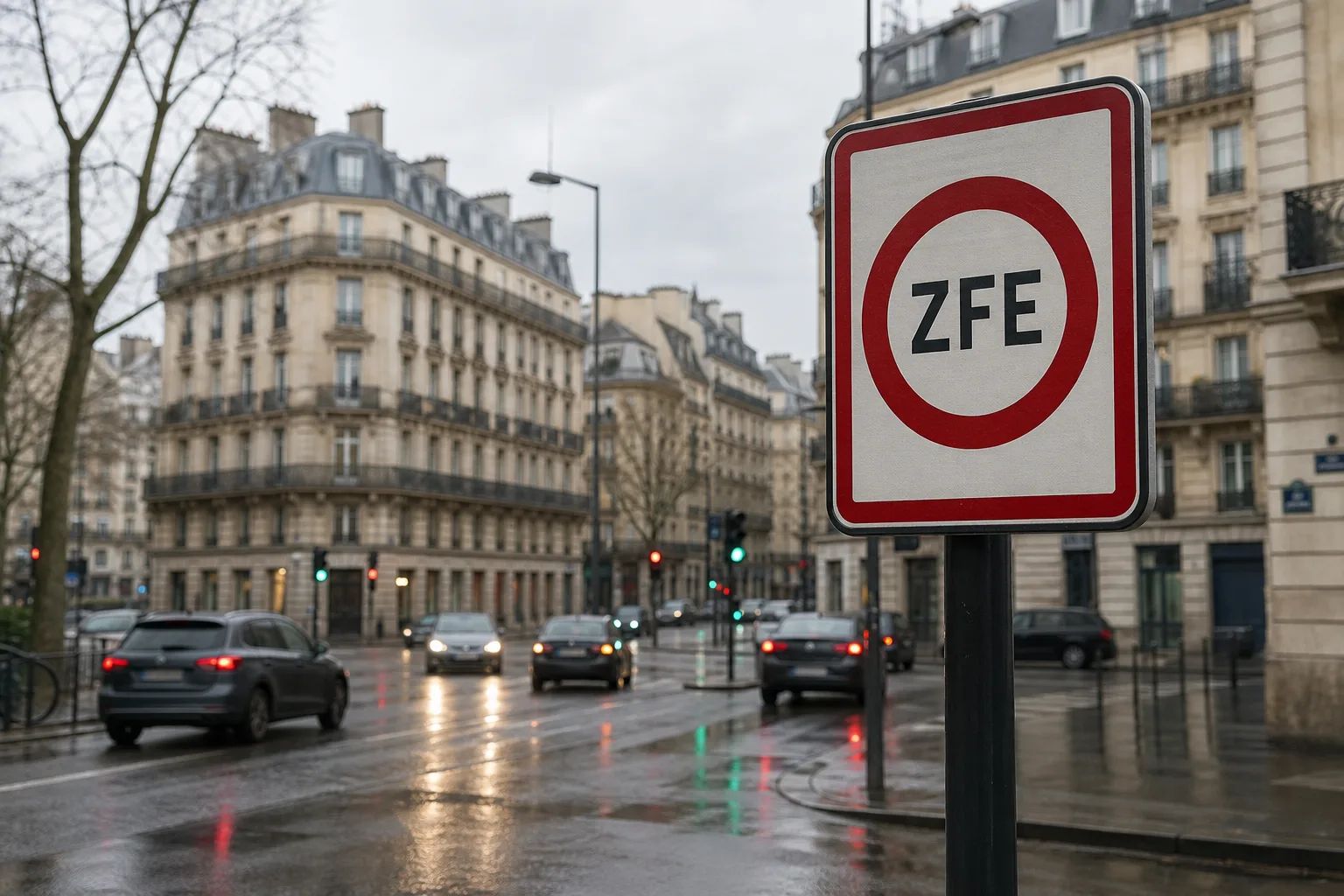
The ZTL (zona a traffico limitato, or limited-traffic zone) is the single biggest source of surprise fines for visitors. Nearly every Italian historic centre, from Florence to Rome to a small Tuscan hill town, is a ZTL. Cameras at the boundary read your plate, and if you’re not authorised to be there, you’re fined.
Three things make it worse than it sounds:
- Each entry is a separate fine. Cross the boundary three times and you can be fined three times.
- The fines reach you abroad. A foreign plate doesn’t hide you; the penalty is posted to your home address, often months later.
- The signs are easy to miss. A small “ZTL” sign, sometimes with active hours, is all the warning you get.
The fix is simple once you know. Park outside the centre and walk in, or if your hotel is inside a ZTL, ask them to register your plate for access before you arrive. Never follow a sat-nav straight into a historic centre without checking whether it’s a ZTL first.
Speeding Fines and Alcohol Limits in Italy
Italy scales its speeding fines by how far over the limit you are, and they rise sharply at the top:
- Up to 10 km/h over: the lowest fine band, no points.
- 10 to 40 km/h over: a higher fine plus licence points.
- Over 40 km/h: a heavy fine, more points, and a licence suspension.
Fines are also raised by a third for offences between 10pm and 7am, and Tutor average-speed cameras cover long motorway stretches, so a single fast burst won’t slip through. The alcohol rules are strict. The general blood alcohol limit is 0.5 g/L, but it’s 0.0 for drivers in their first three years, under 21, or driving professionally, where any reading at all is an offence.
Italy Charges Tolls, Not a Vignette
Italy has no motorway vignette. The autostrade are paid by distance-based toll (pedaggio): you take a ticket on entry and pay at a barrier on exit, so there’s no sticker to buy before the border. Keep the entry ticket, because losing it means paying from the farthest possible entry point.
Most drivers reach Italy over the Alps, and that’s where a vignette does come in. Cross via Austria and you need the Austrian vignette (the Pickerl) first, with the rules covered in our Austria speed limits guide. Come through Switzerland instead and you need the Swiss vignette, and our Switzerland speed limits guide explains the lower Swiss motorway limit. Arriving from the east through Slovenia, our Slovenia speed limits guide covers that leg.
The Short Version
The speed limit in Italy is 130 km/h on the autostrada, 110 on main roads, 90 on rural roads, and 50 in towns, with the fast-road limits dropping in the rain. New drivers are held to 100 on the motorway, and the 150 km/h figure you may see quoted isn’t used anywhere in practice.
The bigger risk is the ZTL: stay out of camera-gated historic centres unless your plate is registered, because each entry is a separate fine that follows you home. Keep under 0.5 g/L for alcohol, or 0.0 if you’re a new or professional driver. Italy charges tolls rather than a vignette, but the Alpine country you cross to get there almost certainly needs one.
Frequently Asked Questions
What is the speed limit on Italian motorways? On the autostrada the limit is 130 km/h in the dry and 110 km/h in the rain. New drivers in their first three years are capped at 100 km/h. Tutor average-speed cameras enforce it over long stretches.
What is a ZTL and how do the fines work? A ZTL (zona a traffico limitato) is a camera-gated limited-traffic zone in a city centre. If you drive in without authorisation, cameras read your plate and post a fine, and each separate entry is fined individually. The penalty reaches foreign drivers at their home address.
Does the Italian speed limit really drop in the rain? Yes. In rain or snow the autostrada limit falls from 130 to 110 km/h and main roads from 110 to 90. The reduction is automatic, and average-speed cameras enforce it.
What is the drink-drive limit in Italy? The general blood alcohol limit is 0.5 g/L. For drivers in their first three years, under 21, or driving professionally, it is 0.0, so any alcohol at all is an offence.
Is there a 150 km/h speed limit in Italy? Not in practice. The highway code allows up to 150 km/h on certain three-lane motorway stretches in principle, but no autostrada is signed above 130, so 130 is the real limit.
Do Italian traffic fines reach foreign drivers? Yes. Both speeding fines and ZTL penalties are posted to vehicle keepers abroad, often months later, using EU cross-border enforcement. A foreign plate does not prevent them.
Sources
Ramis Kalkan
Ramis Kalkan leads growth at Vignetim. He writes about everything that makes European road trips smoother, from digital vignettes to eSIMs. Based in Ankara, usually mid-way through planning his next drive.