Driving in Spain: What You Need and What Changed for 2026
Spain scrapped tolls on much of its motorway network and replaced the warning triangle in the same few years. Here is what a visiting driver actually needs to know now.
 Ramis Kalkan
Updated: 9 min read
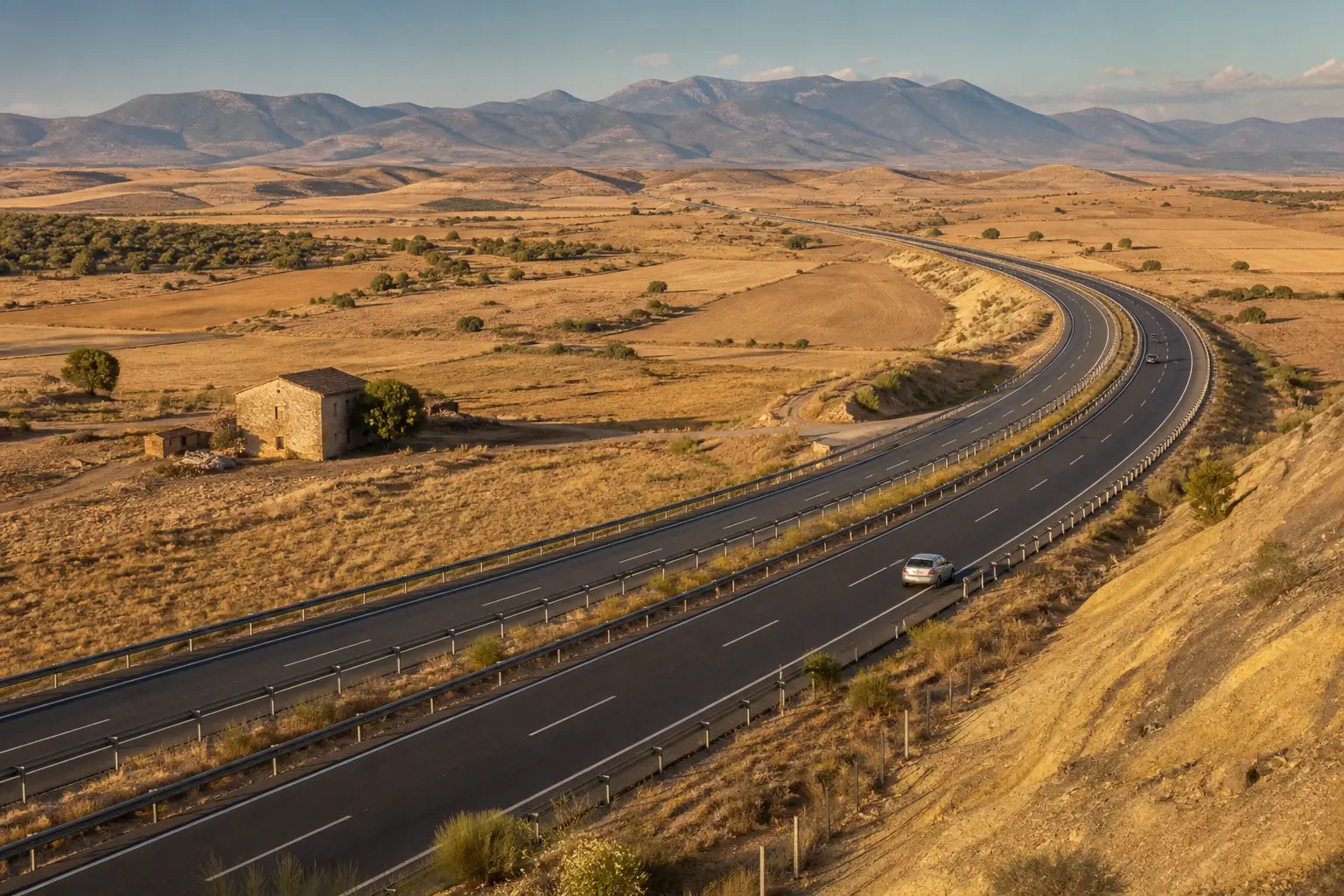
Spain is one of the easier countries in Europe to drive in. The motorways are good, a great many of them are free, and the toll system that does exist is the old-fashioned kind where you stop at a barrier and hand over a card.
What makes Spain confusing is not the driving. It is that two significant things changed in the last few years, and most English-language guides still describe the country as it was before either of them. Spain took the tolls off large parts of its motorway network, and on 1 January 2026 it replaced the warning triangle with a connected electronic beacon.
This guide covers what a visiting driver actually needs, what those two changes mean in practice, and the handful of local rules that reliably catch people out.
The short version
- Drive on the right. Motorways are 120 km/h, conventional roads 90, and most single-lane town streets are 30 rather than 50.
- Spain has no vignette. An A road is free, an AP road may charge, and you pay at a barrier.
- The V16 beacon rule that replaced warning triangles applies to vehicles Spanish law binds. Your equipment obligation follows the country your car is registered in.
- The old rule letting you exceed the limit while overtaking was abolished in 2022. Plenty of guides still repeat it.
What You Need to Carry
Nothing here is exotic, and none of it takes long to sort out before you leave.
- Your driving licence. An EU or UK photocard licence is accepted for a visit. Whether you also need an International Driving Permit depends on your licence’s country of issue rather than on Spain.
- Proof of insurance and your vehicle registration document.
- Reflective jacket, kept inside the cabin rather than in the boot, because you have to be wearing it before you step out onto the carriageway.
- A spare pair of glasses if your licence is conditional on wearing them.
- Your breakdown warning equipment, on which see the section below, because this is the thing that changed.
If you are driving out from the UK or elsewhere in northern Europe and want the full pre-trip list rather than the Spain-specific one, our driving in Europe requirements checklist covers documents, insurance and the country-by-country sticker rules.
The 2026 Change: The V16 Beacon
This is the question people are actually asking, and it is the one most often answered badly.
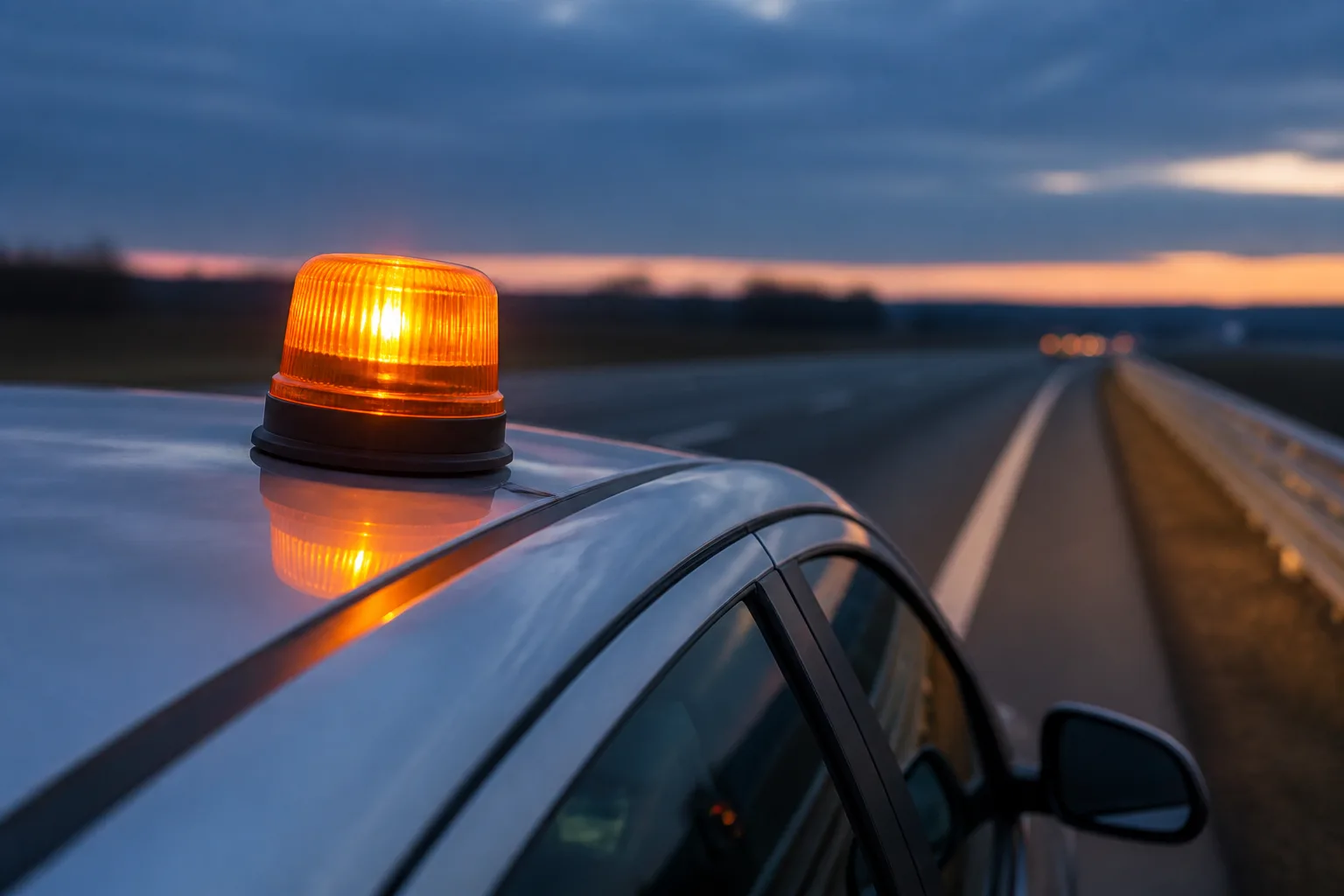
Since 1 January 2026, the connected V16 beacon has been the only legal way to signal a stopped vehicle in Spain. It is a flashing amber light that sits on the roof of the car, and the current generation transmits the vehicle’s position to the traffic authority’s network so that other drivers get a warning before they can see you. Warning triangles, which used to be the standard, are no longer valid for vehicles the Spanish rule covers.
Not carrying one, where the rule applies, is a minor offence with an 80 euro fine.
Two practical caveats. If your car is Spanish registered, or you keep a vehicle in Spain, the rule is yours and you need an approved beacon. And carrying one is never wrong even in a foreign car, which is why many regular visitors simply buy one and stop thinking about it.
The rule has had a messy first year, including approval being withdrawn from several beacon models, which has left owners unsure whether the one in their boot is still legal. The full picture, including what withdrawal actually means for a beacon you already own, is in our guide to the V16 beacon rule.
Tolls: Less Than You Think
Spain has no vignette. There is nothing to buy before you arrive and nothing to stick on the windscreen.
The distinction that matters is in the road number:
| Road number | Name | Charges |
|---|---|---|
| A-something | autovia | Never |
| AP-something | autopista | Sometimes |
Both are motorway standard with the same 120 km/h limit, and the two networks very often run parallel on the same corridor. So you can usually choose between them, trading a bit of time for the toll.
The bigger news is that the tolled network shrank. Spain’s toll motorways were built under long state concessions, and as those expired the roads reverted to the state and the barriers came down. The AP-4 and a long run of the AP-7 came off toll at the end of 2019, and the AP-2 plus further AP-7 sections followed on 1 September 2021. The AP-7 matters most to visitors because it runs down the Mediterranean coast, which is the corridor most people actually drive.
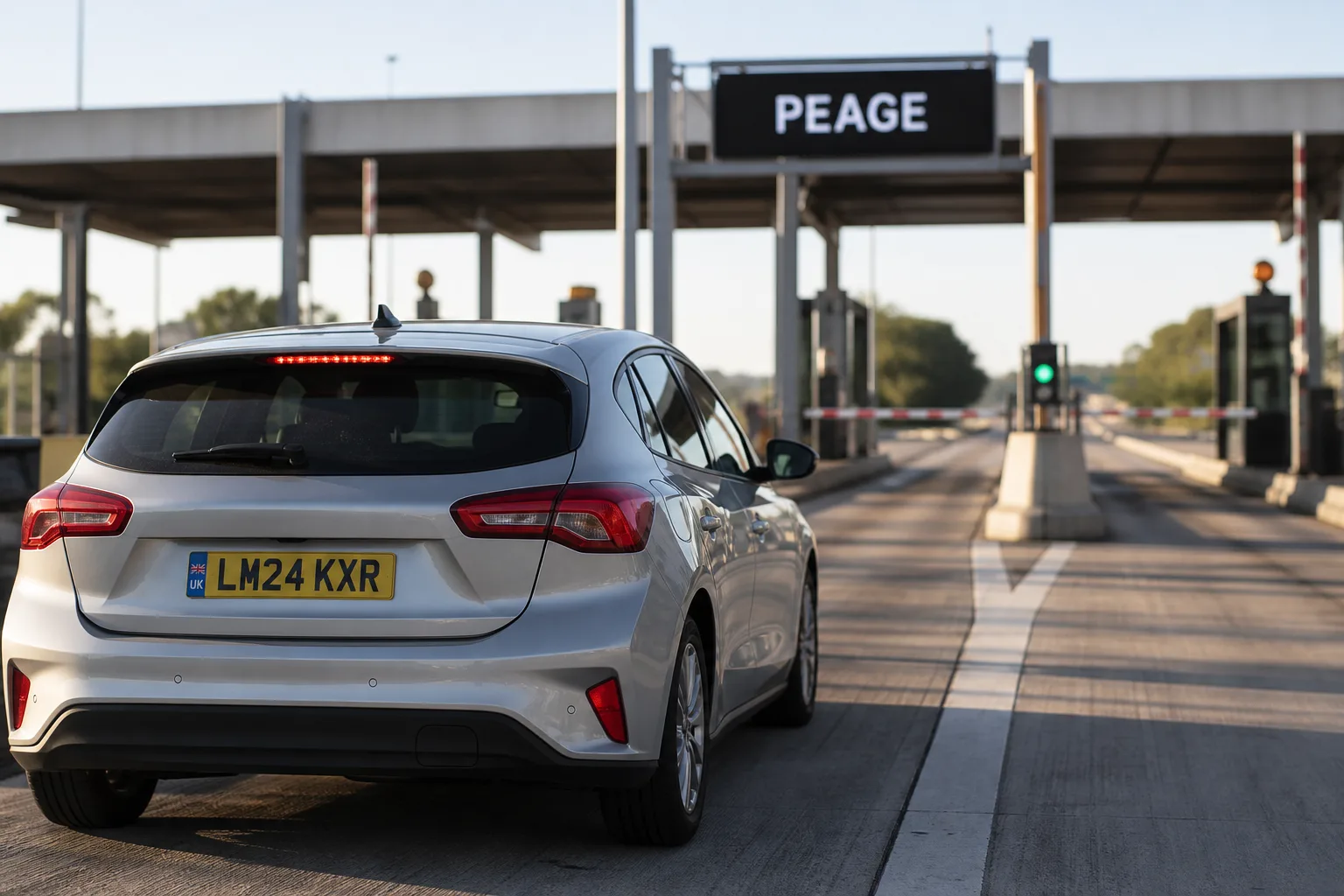
Where a toll does still apply, paying is simple. You take a ticket where you join, you hand it in at the barrier where you leave, and you pay by cash or card. Nothing is registered to your number plate, which makes Spain markedly easier than Portugal next door.
Which roads still charge keeps changing, and some tolled motorways are run regionally rather than by the state, so check your own route. The full picture is on our Spain tolls page.
Speed Limits and the Rule Everyone Gets Wrong
The headline numbers are straightforward. Motorways and dual carriageways are 120 km/h for a car, conventional roads outside towns are 90, and in towns the default is now 30 km/h on the single-lane-each-way streets that make up most of a Spanish town, rather than the 50 most visitors assume.
The trap is a rule that no longer exists. Spain used to let you exceed the limit by 20 km/h while overtaking on a conventional road. That was abolished on 21 March 2022. The posted limit now applies at all times, including mid-overtake, and a large amount of travel advice still tells you otherwise.
For the full breakdown by road type, including the urban 30 and 20 zones and how the fine brackets work, see speed limits in Spain.
Alcohol
Spain sets a general limit of 0.5 g/l in blood, which is stricter than England, Wales and Northern Ireland at 0.8.
The catch is the reduced limit. Drivers in their first two years and professional drivers are held to 0.3 g/l, and that is low enough that a single drink can put a newly qualified driver over. If you are travelling with a young driver sharing the wheel, this is worth knowing before the first evening rather than after.
Our drink driving limits in Europe guide compares the whole continent, which is useful if Spain is one country of several on your route.
Local Habits Worth Knowing
The written rules are only half of driving somewhere new.
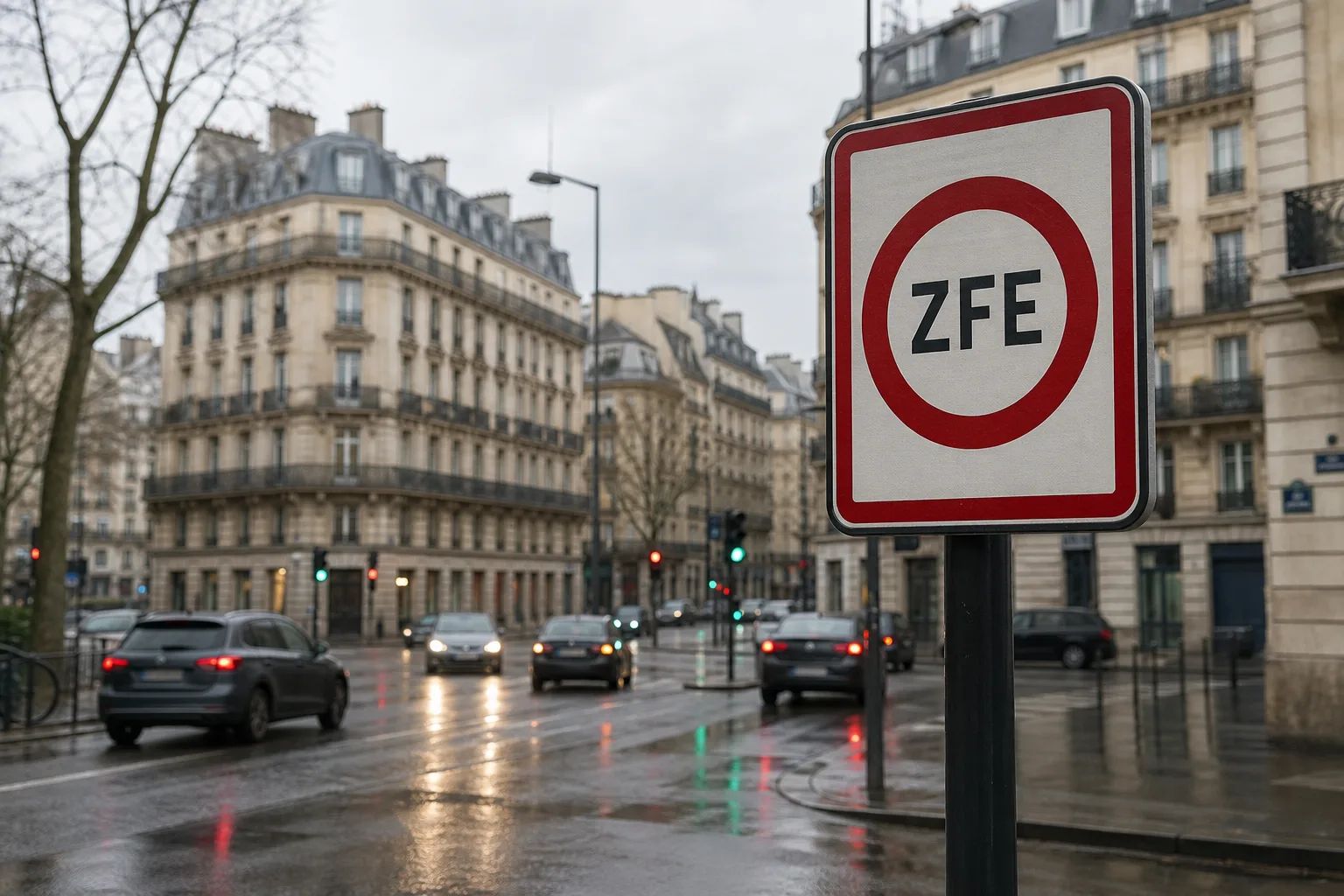
- Low emission zones. Madrid, Barcelona and every town above 50,000 people operate a zona de bajas emisiones, and each sets its own restrictions on which vehicles may enter the centre. This is a city-by-city matter rather than a national scheme, so check the specific city before you drive into the middle of it. Parking on the edge and taking the metro is usually the better plan anyway.
- Roundabouts. Spanish practice on multi-lane roundabouts differs from British practice, and traffic leaving from the inside lane across your bows is normal rather than aggressive. Expect it.
- Fuel. Gasolina is petrol and gasoleo or diesel is diesel. Getting that pair the wrong way round is an expensive afternoon.
- Parking lines. Blue lines mean paid parking with a ticket from the machine, and green lines are usually reserved for residents.
- Enforcement is camera-led. Spanish speeding fines reach foreign keepers through the EU cross-border enforcement arrangements, so a ticket does follow you home.
Driving to Spain
Most people fly and hire a car, and for them the sections above are the whole story.
If you are driving down, Spain is the point where the charging model relaxes. France charges by distance across its autoroute network and is where most of the toll cost on a Spain trip is actually incurred. Spain then charges on a shrinking minority of its motorways. Continue to Portugal and you meet two systems at once, including barrier-free roads that photograph your plate.
None of the three sells a vignette, so there is nothing to buy in advance for any of them. That changes only if your route later turns east into Switzerland and Austria.
Frequently Asked Questions
What side of the road does Spain drive on?
The right. If you are coming from the UK or Ireland, the usual adjustments apply, and the first junction after leaving a ferry or tunnel is the one to concentrate on.
Do I need a V16 beacon to drive in Spain with a foreign car?
No. Your equipment obligation follows the country your car is registered in, so a foreign-plated vehicle carries what its own law requires, normally warning triangles. Vehicles that Spanish law binds need an approved V16 beacon. Carrying one anyway is never wrong.
Do I need an International Driving Permit for Spain?
It depends on where your licence was issued rather than on Spain. EU and UK photocard licences are accepted for a visit. Check your own licence’s requirements before assuming you need a permit.
Does Spain have a vignette?
No. Spain charges tolls per journey at a barrier on some motorways and charges nothing at all on the rest. There is nothing to buy before you arrive.
Are Spanish motorways free?
Many now are. As state concessions expired the roads reverted to the state and stopped charging, including the AP-4 and much of the AP-7. Roads numbered A are always free. Roads numbered AP may charge.
What is the speed limit in Spain?
120 km/h on motorways and dual carriageways for a car, 90 on conventional roads outside towns, and 30 in town on the single-lane streets that make up most of an urban network. The old allowance to exceed the limit while overtaking was abolished in 2022.
Can I drive in Spain with a UK licence?
Yes, a UK photocard licence is accepted for visits. What changes for UK drivers is the paperwork around insurance and the vehicle rather than the licence itself, which our Europe requirements guide sets out.
Is it hard to drive in Spain?
No. Roads are modern and well signed, motorway traffic is light by northern European standards, and much of the network is free. The two things to prepare are the urban 30 limit and the low emission zones in the bigger cities.
The Short Version
Spain is straightforward to drive in, and the two things worth getting right before you go are both recent enough that older guides get them wrong. Three things to sort:
- understand that an A road is free and an AP road may not be, and set your satnav accordingly. Full picture on our Spain tolls page,
- check what breakdown equipment your own country requires, because that is what binds your car in Spain. See the V16 beacon rule,
- forget the overtaking allowance. It was abolished in 2022 and the posted limit now applies at all times.
More country guides are in our driving guides collection.
Sources
Ramis Kalkan
Ramis Kalkan leads growth at Vignetim. He writes about everything that makes European road trips smoother, from digital vignettes to eSIMs. Based in Ankara, usually mid-way through planning his next drive.