Speed Limits in Belgium: Why the Rural Limit Changes by Region
Belgium’s rural speed limit changes when you cross from Flanders to Wallonia, and Brussels is a city-wide 30. Here are the limits by region, plus the low-emission zones you have to register for.
 Ramis Kalkan
Updated: 6 min read
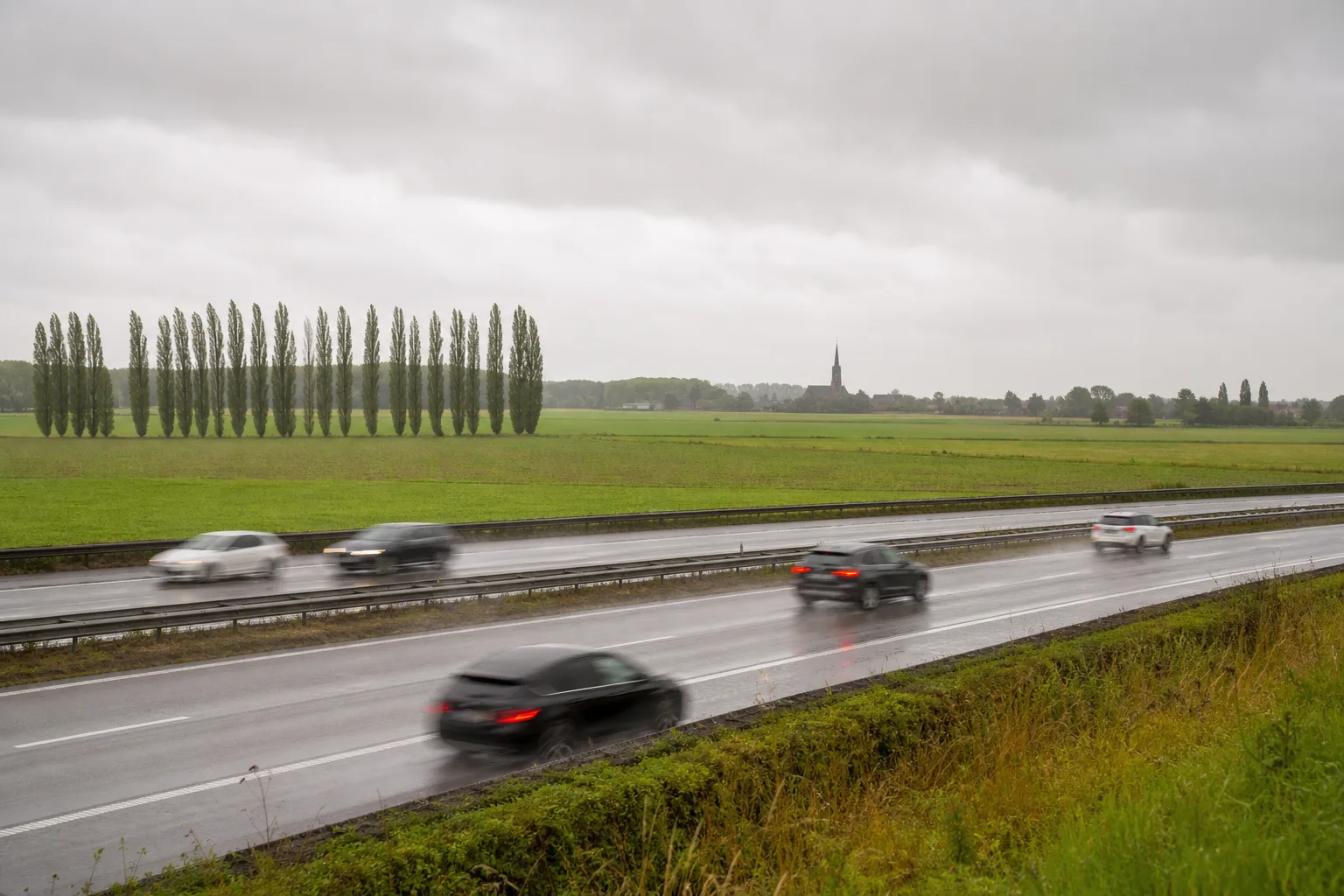
In Belgium the motorway speed limit is 120 km/h and towns are 50, but the rural limit depends on which region you’re in: 70 km/h in Flanders and 90 in Wallonia and Brussels. It’s the same country, and you can cross from one to the other mid-drive without an obvious sign. That regional split is what catches foreign drivers out.
Here’s the other surprise. Brussels is a city-wide 30 km/h zone, and the big cities run low-emission zones you have to register for online, with no sticker to buy. None of it is a toll, because Belgium is free for cars, but the rules still need reading before you go.
This guide covers the speed limit in Belgium by road type and region, the fines and alcohol limit, and the low-emission zones. Every figure is tied to an official Belgian or EU source.
Key Takeaways
- Belgian motorways are 120 km/h and towns are 50, but the rural limit is 70 in Flanders and 90 in Wallonia and Brussels.
- Brussels is a city-wide 30 km/h zone by default (since 2021).
- Low-emission zones in Antwerp, Brussels, and Ghent read your plate by camera, so a foreign car must register online first.
- The blood alcohol limit is 0.5 g/L, and 0.2 for professional drivers.
- Belgium is free for cars: no vignette and no general motorway tolls.
What Are the Speed Limits in Belgium?
Belgium sets its limits by road type, but the rural default is set regionally, which is unusual. These come from the official road rules and apply to a standard car.
| Road type | Speed limit for cars |
|---|---|
| Motorway | 120 km/h |
| Rural road, Flanders | 70 km/h |
| Rural road, Wallonia and Brussels | 90 km/h |
| Built-up (urban) area | 50 km/h |
| Brussels-Capital Region (city-wide default) | 30 km/h |
The regional line is the one to watch. Flanders set its default rural limit to 70 km/h back in 2017, while Wallonia and Brussels kept 90, so the same kind of country road can carry a different limit depending on which side of the language border you’re on.
The Regional Split and Brussels City 30
Belgium’s speed rules aren’t uniform across the country, and two quirks trip up visitors:
- Flanders 70, Wallonia 90. The default limit outside built-up areas is 70 km/h in Flanders and 90 in Wallonia. Cross between them, which you can do without noticing, and the default changes under you.
- Brussels is a City 30. Since 2021 the default across the Brussels-Capital Region is 30 km/h, not 50, so treat the whole city as a slow zone unless a sign says otherwise.
A signed limit always overrides the regional default, so the safest habit is simply to read the signs closely, especially just after you cross a regional boundary or enter Brussels.
Low-Emission Zones You Must Register For
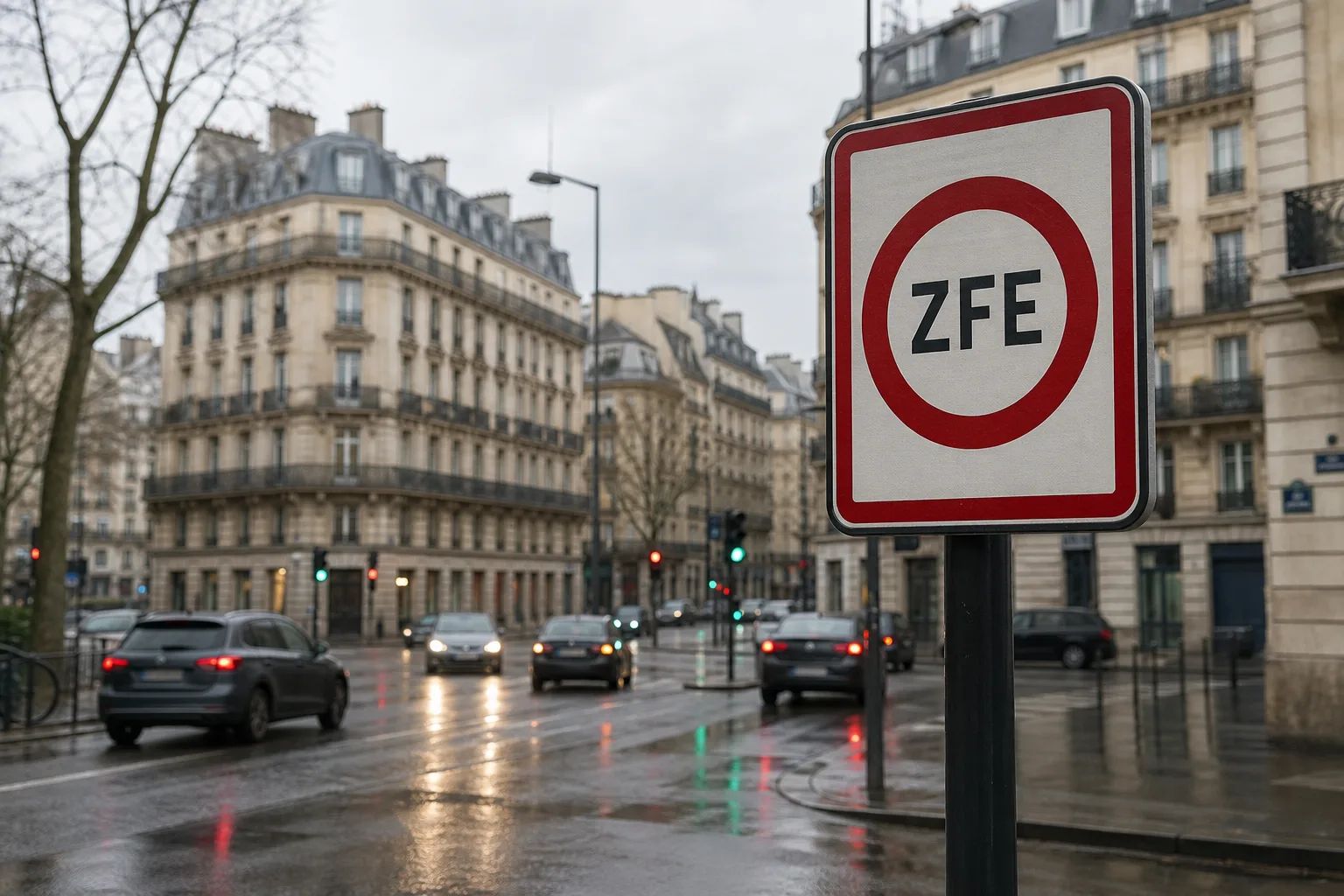
Belgium’s big cities add a second rule on top of speed. Antwerp, Brussels, and Ghent run low-emission zones (LEZ), and they don’t use a windscreen sticker. Instead, cameras read your plate, so a foreign car has to register online before driving into the zone.
Get it wrong and it’s a separate fine from any speeding penalty, and the zone signs are easy to miss until you’re already inside. Check the specific city’s LEZ rules and register your plate in advance if your route takes you into one of these centres. It’s a paperwork step, not a toll, but skipping it is a fineable offence.
Speeding Fines and the Alcohol Limit
Belgium enforces speeding heavily by camera, and fines reach foreign drivers across the EU. The amount scales with how far over you are, and the most serious cases go to court with a possible ban, so check the current figure rather than an old guide.
The alcohol rules are strict:
- General limit: 0.5 g/L of blood.
- Professional drivers (bus, coach, lorry): 0.2 g/L.
The margin at 0.5 is small enough that the safe approach on any driving day is none at all.
Belgium Is Free for Cars, With No Vignette
Belgium charges cars nothing to use its motorways. There’s no vignette and no general toll, just the single Liefkenshoek tunnel near Antwerp, so there’s nothing to buy before you cross the border. If you want the background on why some countries stay free while others sell a sticker, we explain it in why some countries have no vignette.
Belgium is mostly a gateway, the first stop from the Channel ports on the way deeper into Europe. Head north into the Netherlands, another low-toll country, and our Netherlands speed limits guide covers the day-and-night motorway split there. Continue east into Germany and our Germany speed limits guide explains the autobahn. For a wider trip that does cross a sticker country, our European vignette guide shows where one is needed.
The Short Version
The speed limit in Belgium is 120 km/h on motorways and 50 in towns, but the rural default is 70 in Flanders and 90 in Wallonia and Brussels, and Brussels itself is a city-wide 30. Read the signs closely when you cross a regional boundary, because the number can change without much warning.
Keep under 0.5 g/L for alcohol, or 0.2 if you drive professionally, and register online for a low-emission zone before entering Antwerp, Brussels, or Ghent. Belgium is free for cars, with no vignette, so the only thing to sort in advance is the LEZ, not a toll.
Frequently Asked Questions
What is the speed limit on Belgian motorways? The motorway limit in Belgium is 120 km/h for cars, and built-up areas are 50 km/h. The rural limit depends on the region: 70 km/h in Flanders and 90 in Wallonia and Brussels.
Why does the speed limit change between Flanders and Wallonia? Belgium’s regions set their own default rural limits. Flanders lowered its default to 70 km/h in 2017, while Wallonia and Brussels kept 90. You can cross between them mid-drive, so the default can change without an obvious sign.
Is Brussels really a 30 km/h zone? Yes. Since 2021 the default across the Brussels-Capital Region is 30 km/h, not 50. A signed higher limit overrides it on some main roads, but treat the city as a 30 zone unless told otherwise.
Do I need to register for a low-emission zone in Belgium? Yes, if you’re driving into Antwerp, Brussels, or Ghent. Those cities read your plate by camera, so a foreign car must register online in advance. There’s no sticker, and entering unregistered is a fineable offence.
Does Belgium have a vignette or motorway toll? No. Belgium is free for cars, with no vignette and no general motorway toll. Only the Liefkenshoek tunnel near Antwerp charges cars, so there’s nothing to buy before the border.
What is the drink-drive limit in Belgium? The general blood alcohol limit is 0.5 g/L. For professional drivers, such as bus, coach, and lorry drivers, it is 0.2 g/L. The safe approach for any driver is no alcohol before driving.
Sources
Ramis Kalkan
Ramis Kalkan leads growth at Vignetim. He writes about everything that makes European road trips smoother, from digital vignettes to eSIMs. Based in Ankara, usually mid-way through planning his next drive.