Why Does the UK Drive on the Left? The Real History
Britain never chose the left to be different. It never switched. From medieval riders to Napoleon’s armies to Sweden’s famous overnight flip, this is how the world ended up driving on two sides.
 Ramis Kalkan
Updated: 7 min read
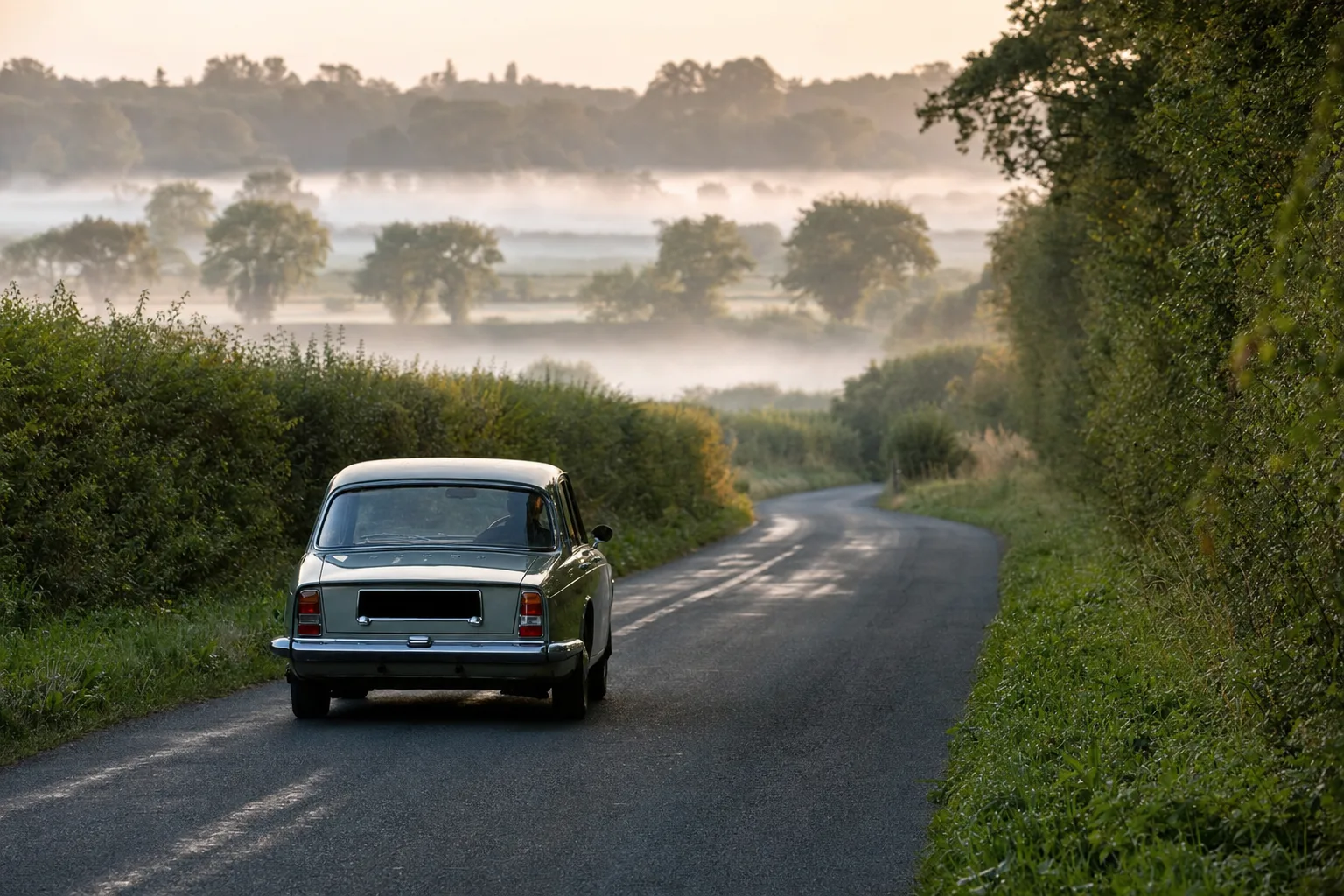
The UK drives on the left because that was the safer side for a right-handed rider in a world of horses and swords, and because Parliament wrote the habit into law with the Highway Act of 1835. Britain never switched. Most of the rest of the world did, which is why the question feels backwards today.
Left-hand travel wasn’t a British quirk. It was the old default across much of Europe. The real historical event isn’t Britain choosing the left but France, and later America, choosing the right, then exporting that choice to most of the planet.
Here is how the split happened, why Japan sided with Britain without ever being ruled by it, and how Sweden managed to move an entire country across the road in a single morning.
Key Takeaways
- The standard explanation is defensive: a right-handed rider kept to the left so their sword arm faced oncoming strangers.
- The Highway Act 1835 made keeping left the legal rule for British roads, and the empire carried it worldwide.
- Post-revolutionary France and early America standardised on the right, and their influence flipped most of Europe and the Americas.
- Japan drives on the left without any British colonial history, formalising its old samurai-era custom in the early 1900s.
- Sweden made Europe’s most famous side switch on 3 September 1967, known as Dagen H, and Iceland followed in 1968.
Why Britain Drives on the Left: The Sword-Arm Theory
For most of history, traffic rules were customs, not laws. The custom across much of the old world was to keep left, and the standard explanation is self-defence. A right-handed rider passing a stranger wanted their sword arm on the passing side, and mounting a horse from the left made roadside mounting easier when you rode on the left too.
Whatever the exact mix of reasons, left was normal long before Britain made it official. Roman evidence points the same way, and medieval travel guidance in Europe repeated it. Keeping left was simply what careful travellers did.
1835: Britain Writes the Habit Into Law
Britain formalised the custom in stages, first for London’s bridges and then, with the Highway Act 1835, for roads in general. From then on, keeping left wasn’t just manners but law, and the timing mattered. Britain spent the next century exporting road rules, railways, and vehicles across the largest empire in history.
That is why the modern left-driving map, from India to Australia to southern Africa, looks so much like a map of former British territory. The rule travelled with the administrators, and it stayed after they left because switching sides is one of the most expensive changes a road network can make. The full country-by-country picture is in our list of countries that drive on the left.
Why Most of the World Went Right
France moved first. Around the revolution, keeping right took hold, and Napoleon’s armies carried right-hand travel across the continent as they went. The countries France occupied or influenced standardised on the right, and Britain’s side of the road became the exception rather than the rule in Europe.
America pushed the same way for a more practical reason: big freight wagons. Drivers of multi-horse teams sat on the left-rear horse to keep their whip hand free. Sitting on the left made keeping right the natural way to judge clearance with oncoming wagons. When cars arrived, American manufacturers put the steering wheel on the left, and mass-exported vehicles built for right-hand traffic tilted the world further right.
By the twentieth century the pattern was set. Continental Europe drove right, the British world drove left, and every newly motorising country had to pick a side, usually the side its cars came from.
The turning points fit in one small table:
| Year | What happened |
|---|---|
| 1790s | Post-revolutionary France standardises on the right |
| 1800s | Napoleon’s campaigns spread right-hand traffic across Europe |
| 1835 | Britain’s Highway Act makes keeping left the law |
| 1967 | Sweden switches left to right overnight (Dagen H) |
| 2009 | Samoa switches right to left for cheaper used cars |
The Interesting Exceptions
Japan chose left on its own
Japan was never a British colony, yet it drives on the left. The custom is usually traced to the samurai era, with swords worn on the left making left-side passing safer, and it hardened when Britain helped build Japan’s early railways in the 1870s. The keep-left rule was formalised for road traffic in the early 1900s and survived everything since, including the post-war occupation.
Sweden switched overnight
Sweden drove on the left until 3 September 1967, despite every neighbour driving on the right and most Swedish cars having left-hand drive. The change, known as Dagen H, was planned for years and executed in a single morning. Traffic stopped, every vehicle moved carefully across the road, and the country restarted on the right. Iceland made the same move a year later, and it remains the most celebrated side switch in motoring history.
Samoa switched the other way
In 2009 Samoa became the first country in decades to move from right to left, so its citizens could import affordable used cars from Japan, New Zealand, and Australia. It’s a useful reminder that the side of the road is economics as much as history.
Could the UK Ever Switch?
In practice, no. Every junction, roundabout, motorway slip road, bus door, and parked vehicle in the country is built for left-hand traffic. The transition risk Sweden accepted in 1967 has only grown with traffic volumes since. The cost would be enormous and the safety benefit close to zero, since modern cars and signage handle both systems perfectly well.
The same logic protects the rest of the left-driving world. Islands and subcontinents with no right-driving land neighbours have almost no reason to change, which is why the map has barely moved since 1970.
The Short Version
The UK drives on the left because left was the old default for riders, and the Highway Act 1835 fixed it in law just as Britain’s influence peaked. France and America made the right side their standard and spread it further, so today about two-thirds of countries drive on the right while Britain, Ireland, Japan, and much of the former empire keep left.
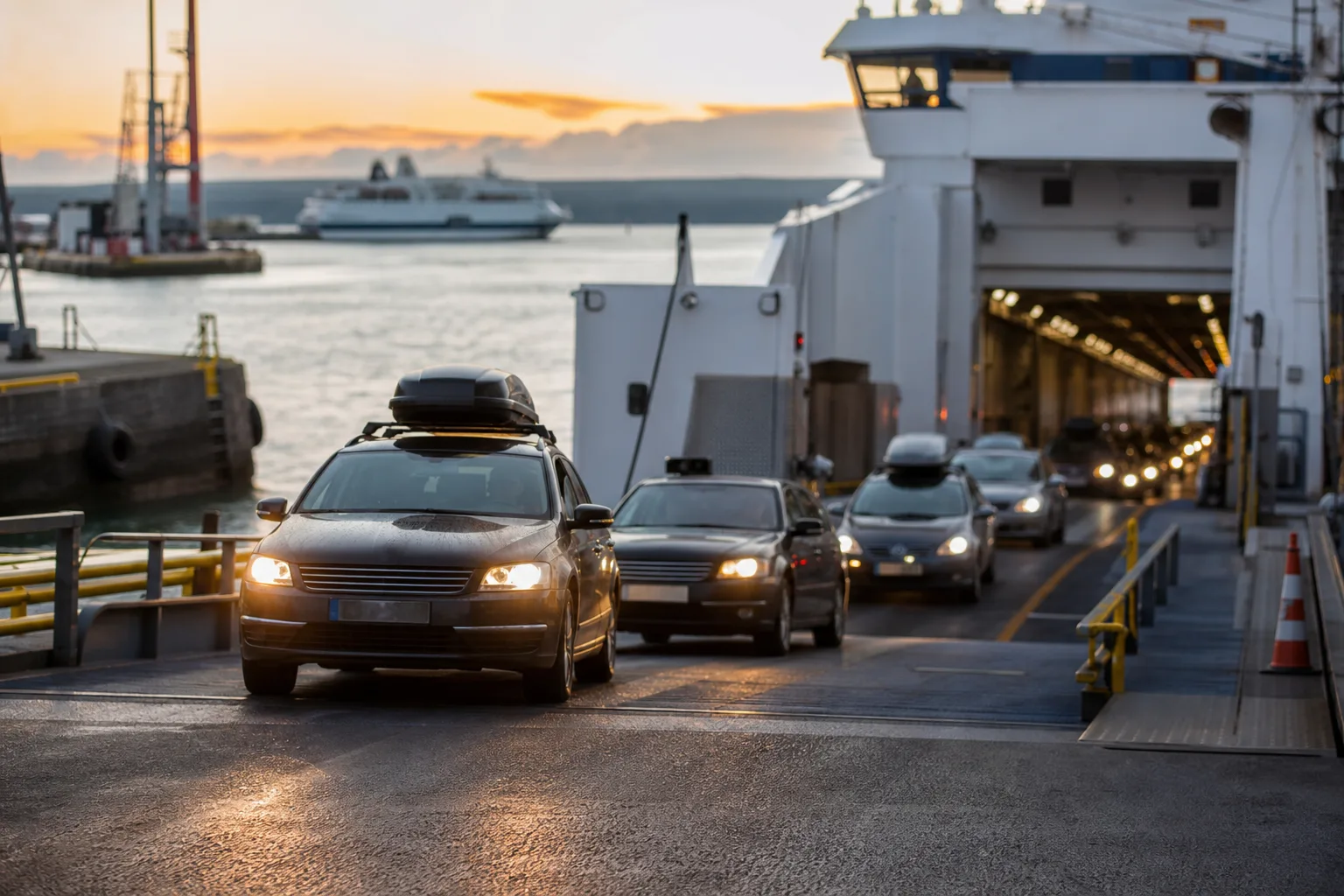
If you are planning to drive across the divide, the history matters less than the preparation. Check which side your destination uses in our full list of left-driving countries, plan your first day behind the wheel gently, and browse our country driving guides for the rules on the other side of the ferry. If the autobahn is your first right-hand stop, start with Germany’s speed limits.
Frequently Asked Questions
Why does the UK drive on the left? Because keeping left was the established custom for riders and carriages, usually explained by right-handed travellers wanting their sword arm toward oncoming strangers, and the Highway Act 1835 made it law. Britain then spread the rule across its empire.
Why do most countries drive on the right? French and American influence. Post-revolutionary France standardised right-hand travel and exported it across Europe, while American wagon design and later car manufacturing made right-hand traffic the default across the Americas and beyond.
Why does Japan drive on the left? Japan kept left by its own tradition, often traced to samurai wearing swords on the left, and formalised the rule in the early 1900s. British engineers building Japan’s first railways reinforced the habit, but Japan was never a British colony.
When did Sweden change to driving on the right? On 3 September 1967, a day known as Dagen H. Sweden had driven on the left despite right-driving neighbours, and moved the entire country across the road in one carefully planned morning.
Why do some countries still drive on the left? Because switching sides is expensive and risky, and most left-driving countries are islands or subcontinents with no right-driving land neighbours. Around 75 countries and territories still keep left, home to roughly a third of the world’s population.
Sources
Ramis Kalkan
Ramis Kalkan leads growth at Vignetim. He writes about everything that makes European road trips smoother, from digital vignettes to eSIMs. Based in Ankara, usually mid-way through planning his next drive.