Speed Limits in Portugal: The Roads, the Limits, and the Tolls
Portugal’s motorways run at 120 km/h, but the real trap is the electronic-only toll roads with no booths. Here are the speed limits by road type, plus how to avoid a surprise toll penalty.
 Ramis Kalkan
Updated: 5 min read
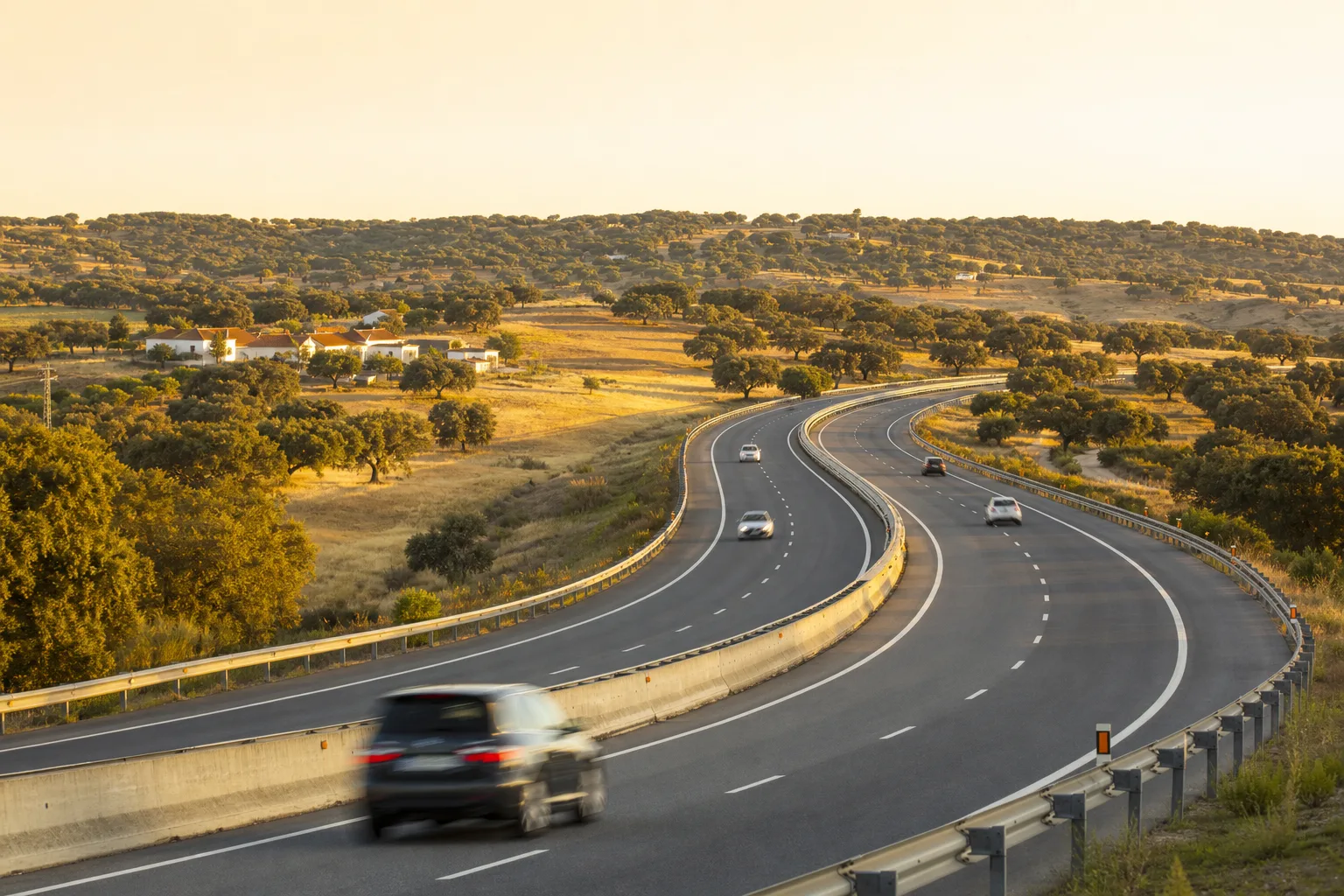
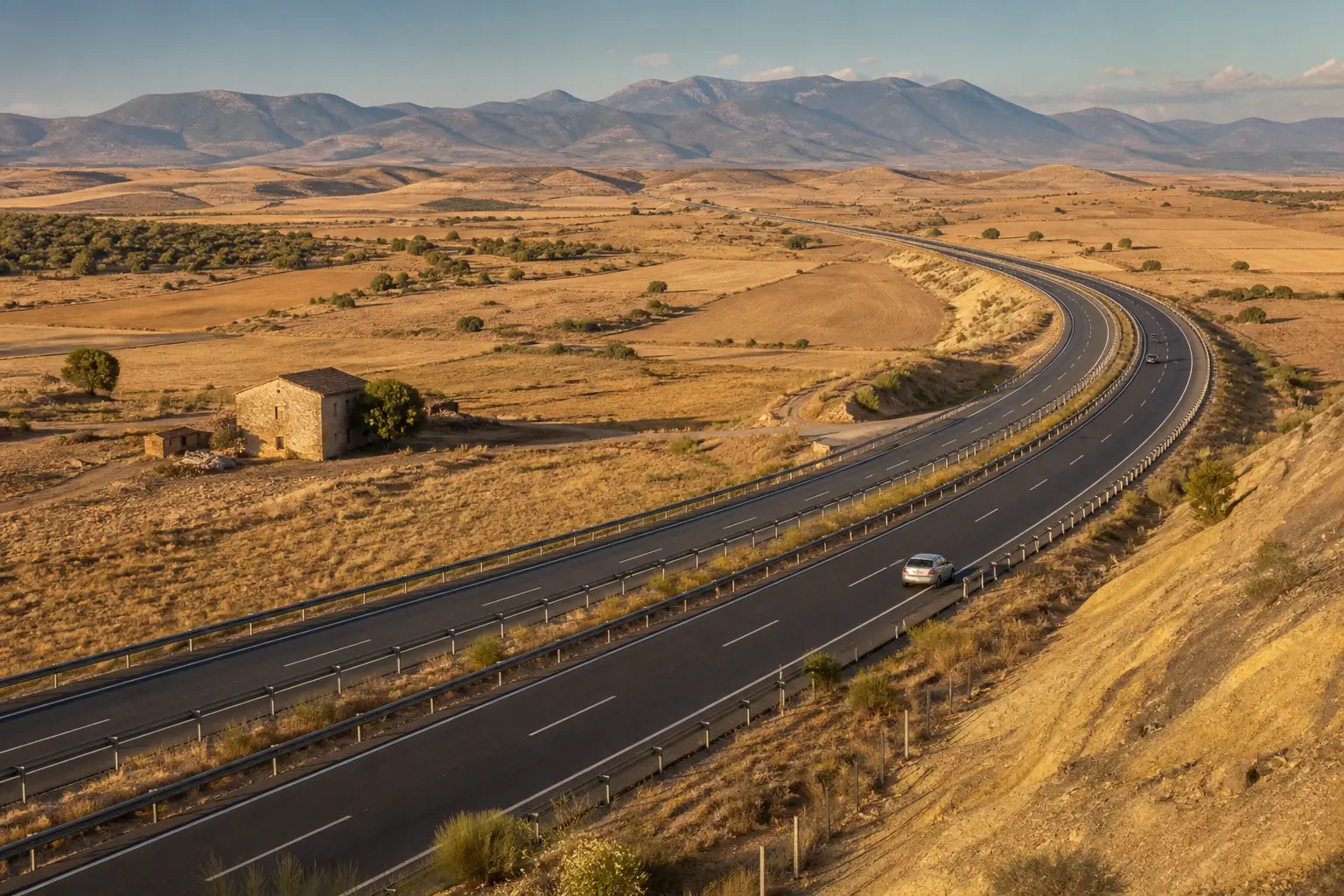
In Portugal the motorway (auto-estrada) speed limit is 120 km/h, main roads are 90 to 100, and towns are 50. The speeds are simple enough. The thing that catches foreign drivers out is the tolls, because some Portuguese motorways are electronic-only, with no booth to stop at.
Here’s the problem. On those roads a camera reads your plate and expects you to have registered or fitted a device beforehand. Drive through without it and the charge, plus a penalty, follows you home. Get the limits and the toll setup right together, and Portugal is an easy and beautiful place to drive.
This guide covers the speed limit in Portugal by road type, the fines and alcohol limits, and how the electronic-only tolls work. Every figure is tied to an official Portuguese or EU source.
Key Takeaways
- Portuguese limits are 120 km/h on the auto-estrada, 100 on major multi-lane roads, 90 on other rural roads, and 50 in towns.
- Some former SCUT motorways are electronic-only tolls with no booths, so a foreign car must register a plate or fit a device first.
- The blood alcohol limit is 0.5 g/L, and 0.2 g/L for drivers in their first three years.
- Speeding fines scale with the excess and reach foreign drivers across the EU.
- Portugal charges tolls (portagens), not a vignette.
What Are the Speed Limits in Portugal?
Portugal sets its limits by road type, in the familiar European pattern. These come from the official road rules and apply to a standard car.
| Road type | Speed limit for cars |
|---|---|
| Motorway (auto-estrada) | 120 km/h |
| Road with two or more lanes each way for motor vehicles | 100 km/h |
| Other road outside built-up areas | 90 km/h |
| Built-up (urban) area | 50 km/h |
Two points are worth noting. City centres increasingly add 30 km/h zones on top of the 50 default, and new drivers in their probationary period face lower limits and a stricter alcohol rule. A lower signed limit always overrides the default.
The Electronic-Only Toll Trap
Portugal’s tolls are where visitors lose money without realising. The country runs two different toll systems side by side, and one of them has no way to pay on the spot:
- Traditional barrier plazas. You take a ticket or tap a card and pay at a gate, as in most of Europe.
- Electronic-only roads (former SCUT). There’s no booth at all. A camera reads your plate, and you must have registered or fitted a device before you drive.
That second type is the trap. A foreign car needs to set up payment in advance, often through a temporary device or a plate registration made at the border, or a drive on one of these roads becomes an unpaid toll and then a penalty. If your route uses them, sort the registration before you set off rather than hoping to pay later.
Speeding Fines and the Alcohol Limit
Portugal scales its speeding fines by how far over the limit you are, and a large excess can bring a driving ban on top of the fine. Because the brackets change, check the current figure rather than an old guide, and remember that Portuguese fines reach foreign vehicle keepers across the EU.
The alcohol rules are strict, and stricter for newer drivers:
- General limit: 0.5 g/L of blood.
- First three years and professional drivers: 0.2 g/L, which effectively means none.
New drivers also face reduced speed limits during that probationary period, so if you’ve just passed, treat both the speed and the alcohol figures as the lower ones.
Portugal Charges Tolls, Not a Vignette
Portugal has no motorway vignette. Its charges are tolls (portagens), whether at a barrier plaza or on the electronic-only roads, so there’s no sticker to buy before the border. If you want the background on why some countries toll and others use a sticker, we explain it in why some countries have no vignette.
Most drivers reach Portugal overland through Spain, which is also a toll country, so our Spain speed limits guide covers the rules on the way in, including the change to the overtaking rule. If your wider trip crosses a country that does use a sticker, our European vignette guide shows which ones need one.
The Short Version
The speed limit in Portugal is 120 km/h on the auto-estrada, 100 on major multi-lane roads, 90 on other rural roads, and 50 in towns, with 30 zones common in cities. The speeds are straightforward, but the tolls aren’t: some motorways are electronic-only with no booth, so set up payment before you drive one.
Keep under 0.5 g/L for alcohol, or 0.2 if you’re a new or professional driver, and check the current fine figure since older guides drift. Portugal charges tolls rather than a vignette, but if your route crosses a sticker country, sort that before the border.
Frequently Asked Questions
What is the speed limit on Portuguese motorways? The auto-estrada limit is 120 km/h for cars. Roads with two or more lanes each way are 100 km/h, and other rural roads are 90. Built-up areas are 50 km/h, with 30 zones common in cities.
How do the electronic tolls in Portugal work? Some motorways, the former SCUT roads, are electronic-only with no toll booth. A camera reads your plate, so a foreign car must register or fit a device before driving them. Otherwise the toll goes unpaid and a penalty follows.
What is the drink-drive limit in Portugal? The general blood alcohol limit is 0.5 g/L. For drivers in their first three years, and for professional drivers, it’s 0.2 g/L, which effectively means no alcohol before driving.
Do Portuguese speeding fines reach foreign drivers? Yes. Portugal enforces speeding by camera and police, and fines reach vehicle keepers across the EU under the cross-border enforcement directive. A large excess can also bring a driving ban.
Does Portugal have a vignette? No. Portugal charges tolls (portagens), either at barrier plazas or on electronic-only roads, and there’s no motorway vignette or sticker to buy in advance.
Sources
Ramis Kalkan
Ramis Kalkan leads growth at Vignetim. He writes about everything that makes European road trips smoother, from digital vignettes to eSIMs. Based in Ankara, usually mid-way through planning his next drive.