Speed Limits in Ireland: The New Limits After the 2025 Change
Ireland cut its rural and urban speed limits in 2024 and 2025, so older guides are out of date. Here are the current limits by road type, plus how the barrier-free M50 toll works.
 Ramis Kalkan
Updated: 5 min read
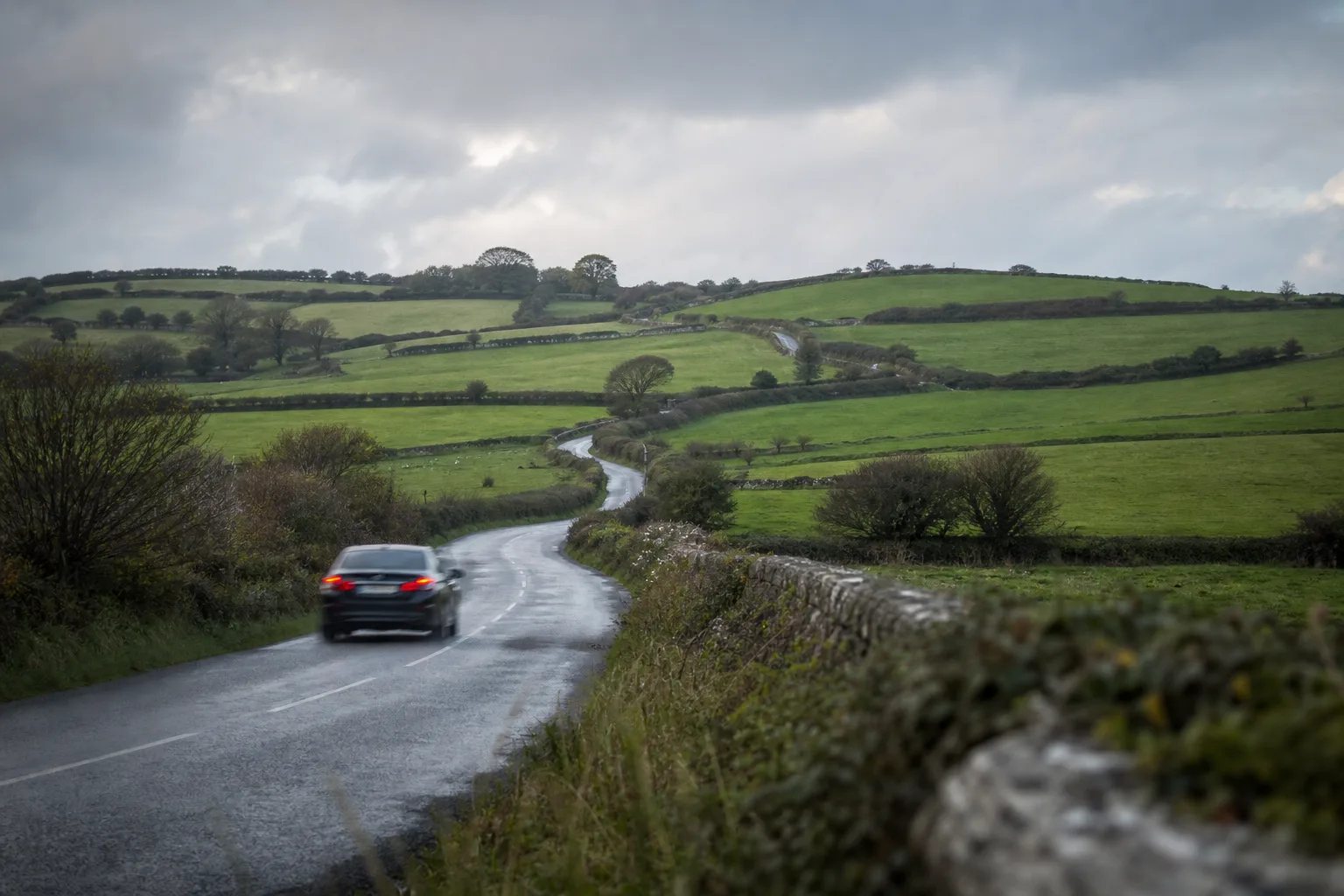
In Ireland the motorway speed limit is 120 km/h, national roads are 100, and rural local roads are now 60, down from 80 after a change in February 2025. Towns are 50, with 30 becoming the default in built-up centres. If you’re working from an older guide, some of those numbers have dropped.
Here’s what makes Ireland easy to get wrong. The limits are in km/h, not mph, the country drives on the left, and a recent reform lowered several defaults. A UK driver who reads a “100” sign as 100 mph, or a continental driver used to the right, has two adjustments to make before speed even comes into it.
This guide covers the speed limit in Ireland by road type, the 2024 and 2025 changes, the fines and penalty points, and how the barrier-free M50 toll works. Every figure is tied to an official Irish source.
Key Takeaways
- Irish limits are 120 km/h on motorways, 100 on national roads, 80 on national secondary roads, 60 on rural local roads, and 50 in towns.
- The Road Traffic Act 2024 cut defaults: rural local roads fell to 60 in February 2025, and built-up centres now default to 30.
- Limits are in km/h, not mph, and Ireland drives on the left.
- The blood alcohol limit is 0.5, and 0.2 for learner, novice, and professional drivers.
- Ireland charges road tolls, not a vignette. The M50 is barrier-free, so you pay online.
What Are the Speed Limits in Ireland?
Ireland sets its limits by road class, and several of them changed under the Road Traffic Act 2024. These come from the Road Safety Authority and apply to a standard car.
| Road type | Speed limit |
|---|---|
| Motorway | 120 km/h |
| National road (primary and dual carriageway) | 100 km/h |
| National secondary road | 80 km/h |
| Rural local road | 60 km/h |
| Built-up (urban) area | 50 km/h |
| Urban centres, housing estates, town centres | 30 km/h |
The rural and urban figures are the recent change. Rural local roads, the smaller country roads, dropped from 80 to 60 km/h in February 2025, and the default in town centres and housing estates is now 30. A lower signed limit always overrides the default for that stretch.
Two Things to Adjust Before You Drive
Ireland trips up visitors in two ways that have nothing to do with the speed figures themselves:
- It’s km/h, not mph. Ireland went metric in 2005, so every sign is in kilometres. A UK driver must not read a “120” motorway sign as 120 mph, which would be well over the limit.
- It drives on the left. Like the UK, traffic keeps left and roundabouts turn clockwise. Continental drivers need to reset their instincts, especially at junctions and when overtaking.
Get those two right and the rest is familiar. Enforcement is camera and Garda based, and penalty points are recognised between Ireland and Great Britain, so a visiting GB driver can’t shrug them off.
Speeding Fines and the Alcohol Limit
Ireland penalises speeding with a fixed charge and penalty points on the licence, and a more serious case goes to court. Because the fixed charge and points change, check the current figure rather than an older guide.
The alcohol rules are strict, and stricter still for some drivers:
- General limit: 0.5 g/L of blood.
- Learner, novice (first two years), and professional drivers: 0.2 g/L, which effectively means none.
Penalty points from either speeding or alcohol offences follow a GB driver home under mutual recognition, so treat Irish limits exactly as you would your own.
Ireland’s Tolls: The Barrier-Free M50
Ireland has no motorway vignette. It charges road tolls instead, and most are ordinary barrier plazas where you pay on the spot. The exception, and the one that catches visitors, is Dublin’s M50 ring motorway.
The M50 is barrier-free: there’s no booth, so a camera reads your plate and you pay online, by 8pm the next day, or a penalty is added on top. Plenty of visitors drive it without realising they owe anything until the charge chases them home. If your route uses it, sort the M50 toll so a missed online payment doesn’t become a penalty. It’s a toll, not a sticker, which is why Ireland has no vignette, a distinction we explain in why some countries have no vignette. For a wider European trip that does need a sticker, our European vignette guide shows where.
The Short Version
The speed limit in Ireland is 120 km/h on motorways, 100 on national roads, 80 on national secondary roads, 60 on rural local roads, and 50 in towns, with 30 the new default in built-up centres. The rural and urban cuts came in under the 2024 reform, so older guides overstate them. Remember the signs are km/h and the country drives on the left.
Keep to 0.5 for alcohol, or 0.2 if you’re a learner, novice, or professional driver, and mind that penalty points cross the Irish Sea. Ireland charges tolls rather than a vignette, and on the barrier-free M50 you pay online after you drive, so don’t let that one slip.
Frequently Asked Questions
What is the speed limit on Irish motorways? The motorway limit in Ireland is 120 km/h. National roads, including dual carriageways, are 100 km/h, and national secondary roads are 80. All limits are in kilometres per hour, not miles.
Did Ireland change its speed limits in 2025? Yes. Under the Road Traffic Act 2024, rural local roads dropped from 80 to 60 km/h in February 2025, national secondary roads to 80, and the default in town centres and housing estates to 30. Older guides quote the higher figures.
Are Irish speed limits in mph or km/h? In kilometres per hour. Ireland switched to metric road signs in 2005, so a “120” sign means 120 km/h. UK drivers thinking in mph need to keep that in mind.
What is the drink-drive limit in Ireland? The general blood alcohol limit is 0.5 g/L. For learner drivers, novice drivers in their first two years, and professional drivers, it is 0.2 g/L, which effectively means no alcohol.
How does the M50 toll work? The M50 in Dublin is barrier-free, so there’s no booth. A camera reads your plate and you pay online by 8pm the next day, or a penalty is added. It’s a toll, not a vignette, and it applies to foreign cars too.
Do Irish penalty points affect UK drivers? Yes. Ireland and Great Britain recognise each other’s penalty points, so points from an Irish speeding or alcohol offence can follow a GB driver home. Treat Irish limits as seriously as your own.
Sources
Ramis Kalkan
Ramis Kalkan leads growth at Vignetim. He writes about everything that makes European road trips smoother, from digital vignettes to eSIMs. Based in Ankara, usually mid-way through planning his next drive.