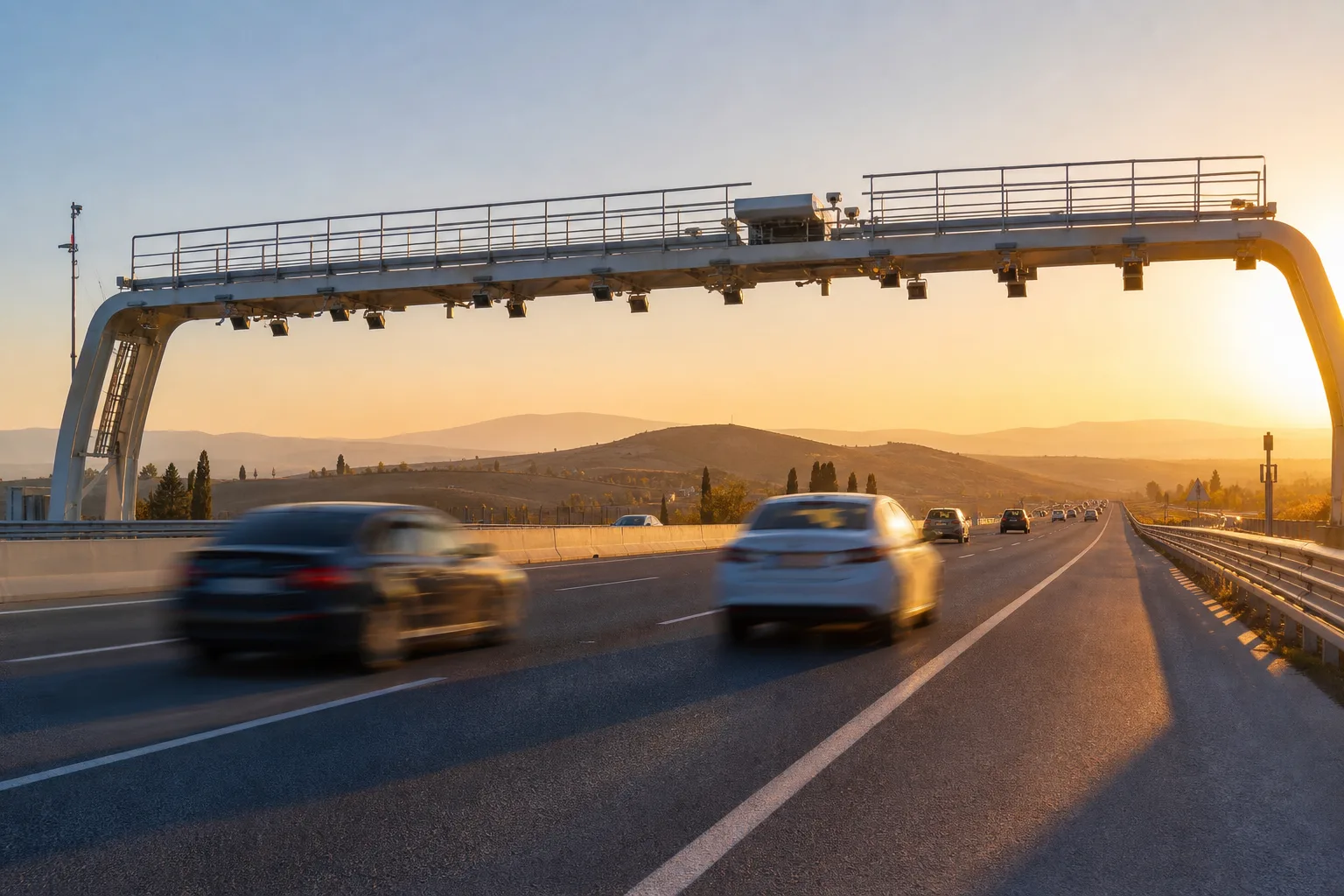
Do Rental Cars in Turkey Have HGS? How Hire Car Tolls Work
Rental cars in Turkey come with an HGS account attached, but the billing happens weeks later and the admin fees are rarely explained at the desk, so here is what to expect
 Ramis Kalkan
Updated: 6 min read
Yes. Rental cars in Türkiye come with an HGS account attached to the vehicle, so you can drive onto a motorway or across the Bosphorus on day one without arranging a thing. You don’t buy HGS separately. You couldn’t pay a Turkish toll in cash even if you tried.
What you do need to know is how the money comes back to you:
- The company pays the toll at the time of the crossing
- Your card is charged afterwards, often weeks later
- An admin fee is usually added to each crossing
This guide covers three things:
- How the billing actually works, from gantry to card statement
- What to ask at the rental desk before you sign anything
- When a rental isn’t the right answer for your trip
Key Takeaways
- Turkish hire cars come with HGS fitted, so there’s no separate purchase, and tolls are charged back to your card after the rental.
- Admin fees per crossing are common and can exceed the toll itself on a cheap bridge crossing.
- Check the toll clause before you sign, because practice varies by agency and it’s rarely explained.
How the Billing Actually Works
The mechanics match any Turkish vehicle. The gantry reads the plate, the toll comes off the registered HGS balance, and nothing at all happens at the roadside to tell you it did.
The difference is whose balance it is. On a hire car the account belongs to the rental company, and the sequence runs like this:
- You cross a bridge or a motorway section as normal
- The toll is deducted from the company’s HGS account
- The company matches the crossing to your rental period
- The toll, plus any admin fee, is charged to the card you left on file
Step four is where the surprises live:
- Reconciliation isn’t instant, so charges land days or weeks after you fly home
- The line on your statement may not say which crossings you’re paying for
- Without an itemised list, checking it against published tariffs is guesswork
What It Costs
The tolls are official published tariffs, and they don’t change because you’re in a rental:
| Crossing | Car toll, July 2026 |
|---|---|
| Older Bosphorus bridges | 59 TL |
| Yavuz Sultan Selim | 110 TL |
| Eurasia Tunnel, day | 330 TL |
| İstanbul to Ankara motorway | 338 TL |
Source: KGM tariff schedules, valid from 1 July 2026.
The variable is the agency’s handling charge, and there’s no regulated rate for it:
- Some agencies pass tolls on at cost
- Others add a fixed fee to every single crossing
- On a 59 TL bridge toll, that fee can double what you pay
Our 2026 toll price guide lists what each crossing should cost, so you can compare it against your statement and work out exactly what’s toll and what’s fee.
What to Ask at the Rental Desk
Five questions. None take long, and all are easier to ask before you sign than to argue about later, especially once you’re home and looking at a card statement you can’t decode.
- Is HGS included, or billed separately? Almost always billed separately, but confirm it
- What’s the admin fee per crossing? Ask for the figure, not a description
- When will the charges appear? Some agencies bill weekly, some after the rental closes
- Will I get an itemised list? A crossing-level breakdown makes disputes possible
- What happens if the account runs dry? Rare, but it’s the company’s problem to solve, not yours
If you’re picking the car up at İstanbul Airport, this matters slightly more than elsewhere. The exit routes join tolled roads within a few kilometres, including free-flow sections that bill without any toll plaza, so your first charge is generated before you’ve properly started the trip. Our İstanbul Airport tolls guide covers that first hour in detail.
When You Need Your Own HGS Instead
The rental arrangement only covers rental cars. Bringing your own vehicle in from Bulgaria, shipping it over, or crossing from Georgia? Then the plate is yours. So is the responsibility.
That’s a different job, and the official channels make it harder than it should be:
| Channel | The obstacle |
|---|---|
| PTT counter | In person, in Turkish, office hours only |
| e-Devlet and bank apps | Turkish national ID required |
| Vignetim app | None, plate-based and card-paid |
The Vignetim app fills that gap. Register the foreign plate, load a balance, and the account activates immediately through plate recognition. No branch visit, no Turkish bank account. You can set it up here, and our step-by-step guide covers the alternatives.
One more thing worth knowing:
| Situation | What applies |
|---|---|
| Hire car, no action needed | The fleet’s account covers it |
| Own car, account already live | Nothing to do |
| Own car, crossed before registering | 15 days to register and fund the plate |
The tiers after that are in driving without HGS.
Watch the Vehicle Class
Tolls are priced by vehicle class, so a hire car and a hire van don’t cost the same to run:
| Vehicle | Class | Older Bosphorus bridge | Osmangazi |
|---|---|---|---|
| Ordinary car | 1 | 59 TL | 1,170 TL |
| Long-wheelbase van | 2 | 75 TL | 1,870 TL |
Turkish classification uses axles and wheelbase, and the Class 1 to Class 2 line sits at a 3.20 m wheelbase. So before you upgrade to a bigger vehicle:
- Check the wheelbase, not just the seat count
- Ask the desk which HGS class the vehicle falls into
- Remember the class also limits your İstanbul crossings
Class also decides where you may drive in İstanbul, as our bridge guide and vehicle classes guide explain in full.
The Short Version
Hire cars in Türkiye come with HGS, so tolls aren’t something you arrange. They’re something you get billed for later, once you’re home and reading a card statement. The tolls themselves are official rates. The admin fees are not, and that gap is where the surprises sit.
Ask about the fee and the billing dates at the desk, and keep the published tariffs handy so you can check the charges when they land. Remember a larger vehicle costs more at every gantry.
Driving your own foreign-plated car instead? None of this applies, and you need your own account. You can register your plate in a few minutes, or start with how the toll system works.
Frequently Asked Questions
Do rental cars in Turkey come with HGS?
Yes. Turkish rental fleets keep HGS accounts on their vehicles, so tolls are paid automatically as you drive. The cost is passed back to you afterwards.
How do I pay tolls in a rental car in Turkey?
You don’t pay at the roadside, because Turkish toll points have no cash lanes or card terminals. The crossing comes off the rental company’s HGS balance, and they charge your card later, usually with an admin fee.
How much do rental companies charge for tolls?
The toll is the official published tariff, for example 59 TL for the older Bosphorus bridges since 1 July 2026. The admin fee on top isn’t regulated and varies by agency. Ask for the exact figure per crossing before you sign.
Can I use my own HGS account in a rental car?
No, and you don’t need to. HGS balances are tied to a specific plate, and the rental car’s plate is already on the company’s account. Your own would simply sit unused.
What if I drive a hire car through a toll and the company’s balance is empty?
That’s the company’s issue, since the account is theirs. In practice fleets keep their balances topped up automatically, and any violation gets settled by the operator rather than billed to you as a fine.
Do I need HGS if I bring my own car to Turkey?
Yes. A foreign-plated car you drive in yourself needs its own funded HGS account. Registering through an app takes minutes, and you get 15 days from any crossing to sort it out before penalties start.
Sources
Ramis Kalkan
Ramis Kalkan leads growth at Vignetim. He writes about everything that makes European road trips smoother, from digital vignettes to eSIMs. Based in Ankara, usually mid-way through planning his next drive.