1915 Çanakkale and Osmangazi: Turkey’s Toll Mega-Bridges
The 1915 Canakkale and Osmangazi bridges are the most expensive crossings in Turkey and often the smartest, so here are the 2026 tolls by class and the maths on when to use them
 Ramis Kalkan
Updated: 6 min read
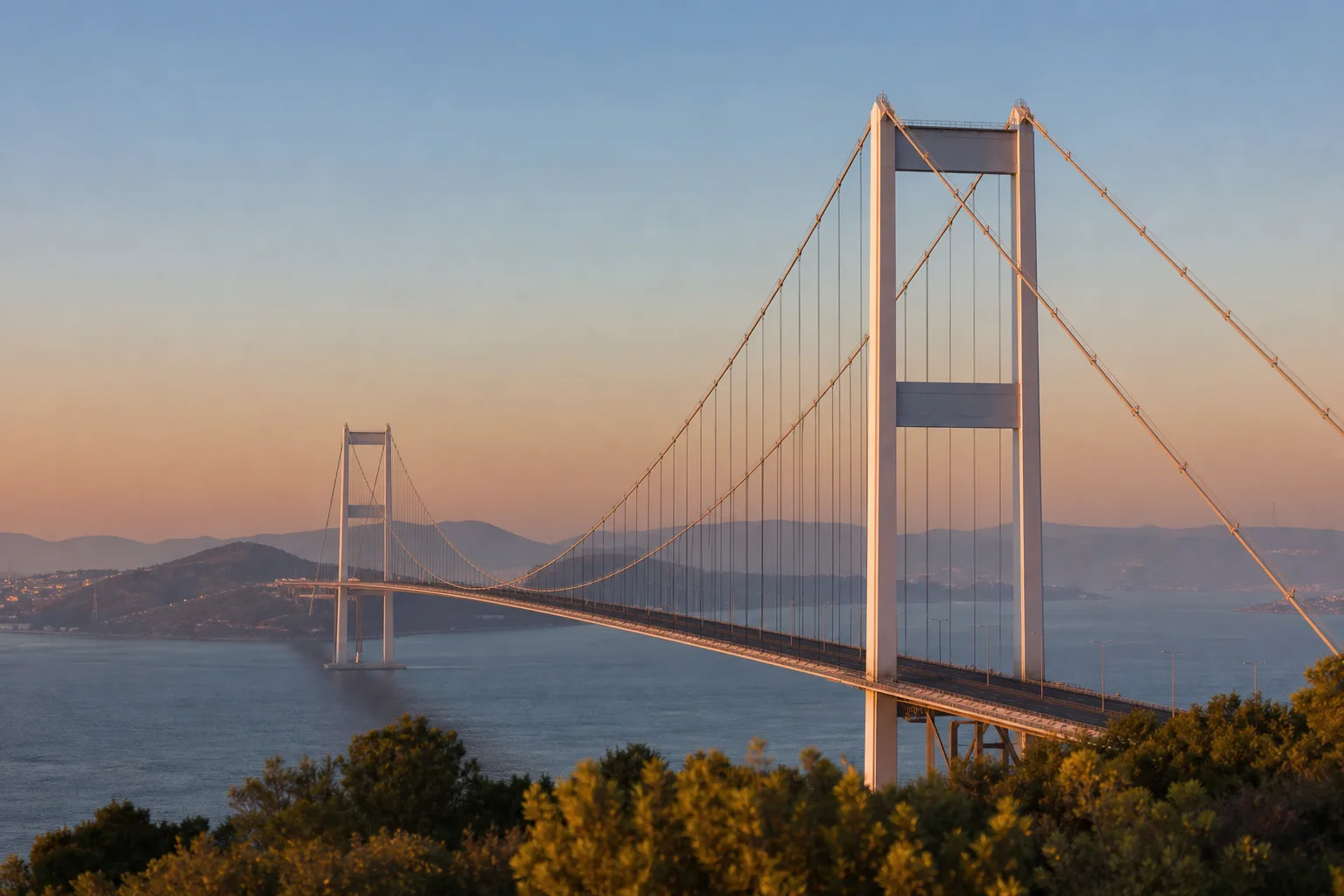
A car pays 1,170 TL to cross either the 1915 Çanakkale Bridge or the Osmangazi Bridge. That makes them the two most expensive crossings in Türkiye, by a wide margin. A five-axle truck pays 5,560 TL at Çanakkale.
Those numbers look brutal next to the 59 TL you pay to cross the Bosphorus. People pay them anyway because of time. Each bridge replaces a long detour or a ferry queue, and on a tight schedule an hour saved beats the toll.
Here’s what both cost by class in 2026. And when the older route still wins.
Key Takeaways
- Both bridges cost a car 1,170 TL, at tariffs effective 1 July 2026 (KGM).
- Heavy vehicles pay very differently: 3,720 TL at Osmangazi against 5,560 TL at Çanakkale, while motorcycles pay 820 TL and 295 TL.
- Both are cashless and charge through HGS by plate recognition, so the plate needs a balance first.
What Each Bridge Costs in 2026
The two bridges are priced separately. The gap widens sharply as vehicles get heavier.
| Class | Osmangazi Bridge | 1915 Çanakkale Bridge |
|---|---|---|
| 1 (car) | 1,170 TL | 1,170 TL |
| 2 | 1,870 TL | 1,465 TL |
| 3 | 2,225 TL | 2,635 TL |
| 4 | 2,950 TL | 2,925 TL |
| 5 (heavy) | 3,720 TL | 5,560 TL |
| 6 (motorcycle) | 820 TL | 295 TL |
Source: KGM 2026 tariff schedules, valid from 1 July 2026. All rates include VAT.
Motorcycles are the striking outlier. At Çanakkale a bike crosses for 295 TL, a quarter of the car rate. At Osmangazi the same bike pays 820 TL. The bridges run under separate concessions, so their pricing logic differs.
Class is set by axles and wheelbase, not weight:
- Class 1 covers ordinary cars, under a 3.20 m wheelbase
- Class 2 starts at 3.20 m, catching long vans and larger campervans
- Class 3 and up is axle-counted, and a car towing a caravan lands here
Our vehicle classes guide has the full definitions, and the 2026 price list covers every other toll in the country.
The Osmangazi Bridge: Skipping the Gulf of İzmit
Quick facts:
- Crosses: the Gulf of İzmit, on the İstanbul to İzmir motorway
- Replaces: the long drive around the head of the bay through İzmit and Gebze
- Car toll: 1,170 TL, VAT included
- Payment: HGS only, read from your plate
The saving is real. With the bridge, İstanbul to İzmir becomes a straightforward highway run. The old route added serious time and city traffic on both sides of the gulf.
There’s a billing detail specific to this corridor:
| Direction | Where you’re charged |
|---|---|
| Towards İzmir | Bridge toll at the bridge, motorway fee at your exit |
| Towards İstanbul | Bridge gate collects both, calculated from where you joined |
The total is the same either way. Only the deduction point moves.
The 1915 Çanakkale Bridge: Crossing the Dardanelles
Quick facts:
- Opened: 2022, and it’s the longest suspension bridge in the world by main span
- Links: Gelibolu in Europe to Lapseki in Asia, across the Dardanelles
- Car toll: 1,170 TL, with the full motorway corridor at 1,480 TL
- Replaces: the Dardanelles ferry and its timetable
Before it existed, crossing the Dardanelles meant a ferry, a timetable, and a queue. The bridge replaced all three with a five-minute drive. It also opened a faster route between Thrace and the Aegean that avoids İstanbul entirely.
Driving from Bulgaria or Greece towards İzmir, Bodrum, or the southern coast? That’s the appeal. You skip İstanbul’s traffic and the Bosphorus altogether.
The full motorway corridor is priced separately from the bridge. Malkara to Çanakkale, bridge included, costs a car 1,480 TL and a five-axle truck 6,340 TL. Factor that in if you’re joining the motorway rather than just crossing.
Is the Toll Worth It?
It depends on what your time is worth and what you’re driving.
| Situation | Verdict |
|---|---|
| Car, on a schedule, İstanbul to İzmir | Osmangazi usually pays for itself in time saved |
| Car, relaxed timetable, coastal route | The old roads are scenic and free |
| Heading to the Aegean from Thrace | 1915 Çanakkale avoids İstanbul entirely, which is often worth more than the toll |
| Heavy vehicle | Do the maths carefully, because 5,560 TL is a serious operating cost |
| Motorcycle at Çanakkale | 295 TL for a Dardanelles crossing is good value against a ferry |
A note on the ferries: they still run, and on a leisurely trip they’re part of the experience. What they don’t offer is predictability. That’s exactly what the bridge sells.
Paying at a Mega-Bridge
Both bridges are fully electronic, like every toll crossing in Türkiye:
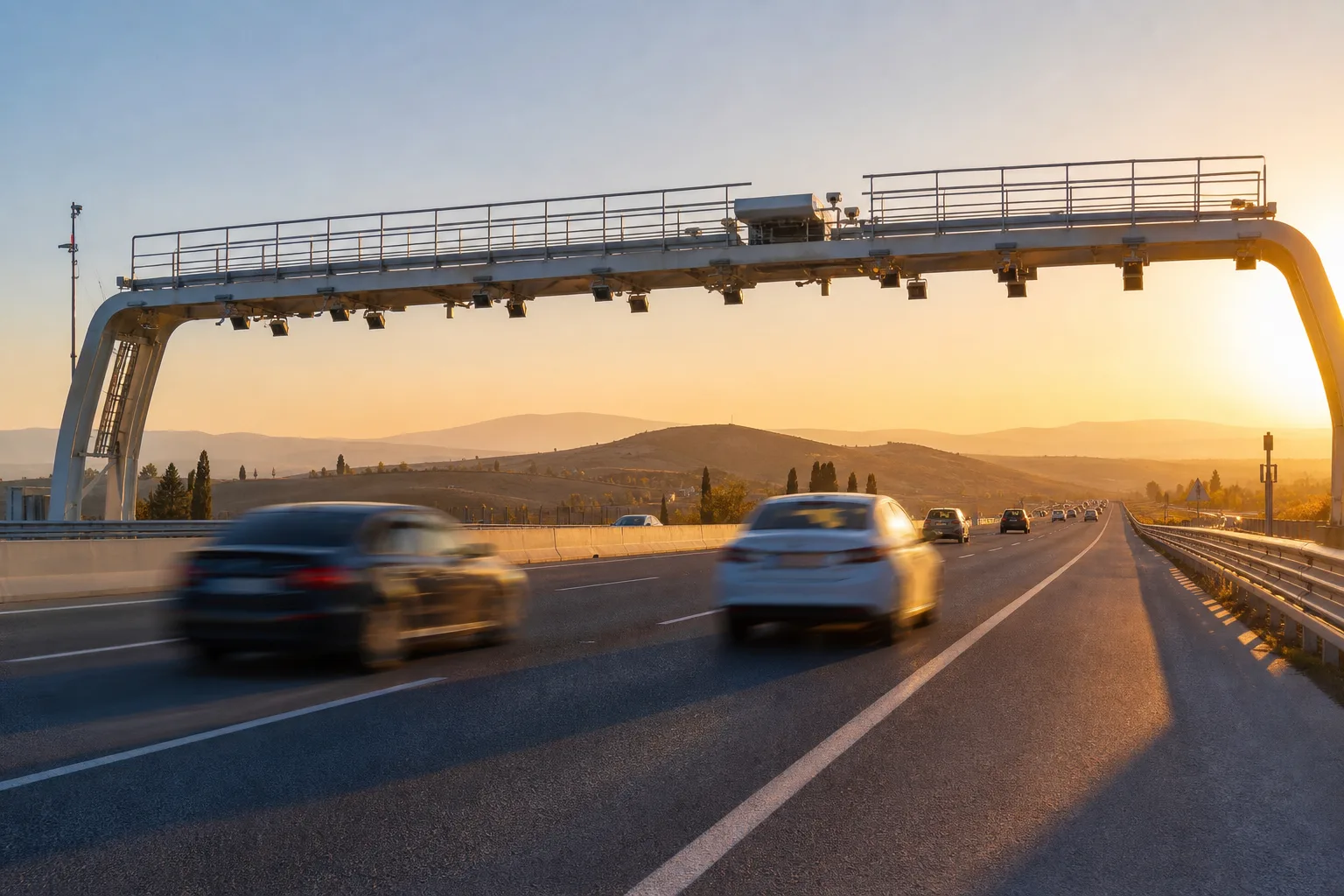
- Overhead readers photograph the plate as you pass
- The toll comes off the HGS balance registered to it
- There’s no booth, no barrier, and nothing to stop for
That’s straightforward in a Turkish or rental vehicle. If the car is yours and carries a foreign plate, the account has to exist first. The official channels want a Turkish national ID number you won’t have.
Registering the plate in the Vignetim app takes a few minutes, works without a Turkish ID or bank account, and activates immediately through plate recognition. You can set it up here, or read the full walkthrough first.
At 1,170 TL a crossing, check your balance before you set off:
| Before you drive | Why it matters |
|---|---|
| Confirm the plate is registered | The gantry bills the plate, not you |
| Check the balance covers the crossing | 1,170 TL is a large single deduction |
| Confirm your vehicle class | Class 2 pays up to 700 TL more |
| Set automatic top-up if you’re touring | Several big crossings drain a balance fast |
The Short Version
Türkiye’s two mega-bridges cost a car 1,170 TL each, and heavy vehicles several times that. They’re the most expensive tolls in the country, and usually still the right choice:
- Osmangazi shortens the İstanbul to İzmir run across the Gulf of İzmit
- 1915 Çanakkale reaches the Aegean from Thrace without touching İstanbul
- Both are cashless, and both need a funded HGS plate before you arrive
Check the class you’re in, check the balance, and if you’re driving a foreign-plated car you can register for HGS in a few minutes. If you’re new to the system, start with how Turkish tolls work. The full route cost guide puts these tolls in the context of a whole trip.
Frequently Asked Questions
How much is the 1915 Çanakkale Bridge toll?
A car pays 1,170 TL, a motorcycle 295 TL, and a five-axle heavy vehicle 5,560 TL, at rates effective 1 July 2026. The whole Malkara to Çanakkale motorway, bridge included, costs a car 1,480 TL.
How much is the Osmangazi Bridge toll?
1,170 TL for a car, 1,870 TL for Class 2, 3,720 TL for a five-axle vehicle, and 820 TL for a motorcycle. The tariff took effect on 1 July 2026 and includes VAT.
Can you pay the mega-bridge tolls in cash?
No. Both bridges charge through HGS by plate recognition, so the balance needs to be on the plate before you cross. There are no toll booths and no card terminals.
Is the Çanakkale bridge cheaper than the ferry?
Not necessarily cheaper, but far more predictable. The ferry still crosses the Dardanelles. The bridge turns the same crossing into a five-minute drive with no timetable.
Why do the two bridges price motorcycles so differently?
They run under separate concessions with different operators, so each sets its own class structure. The result is 295 TL for a motorcycle at Çanakkale against 820 TL at Osmangazi.
Do I need the bridges to drive from Istanbul to Izmir?
No, but the motorway via Osmangazi is much faster than driving around the Gulf of İzmit. The older road is free and slower. It suits a relaxed itinerary better than a schedule.
Sources
Ramis Kalkan
Ramis Kalkan leads growth at Vignetim. He writes about everything that makes European road trips smoother, from digital vignettes to eSIMs. Based in Ankara, usually mid-way through planning his next drive.